MEMORY EMBRACE
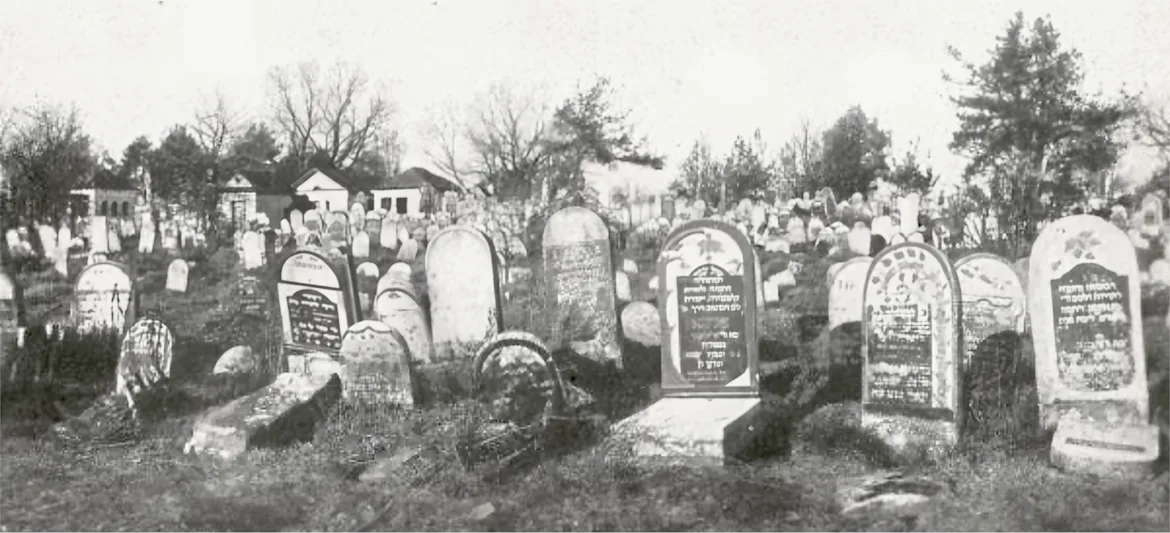
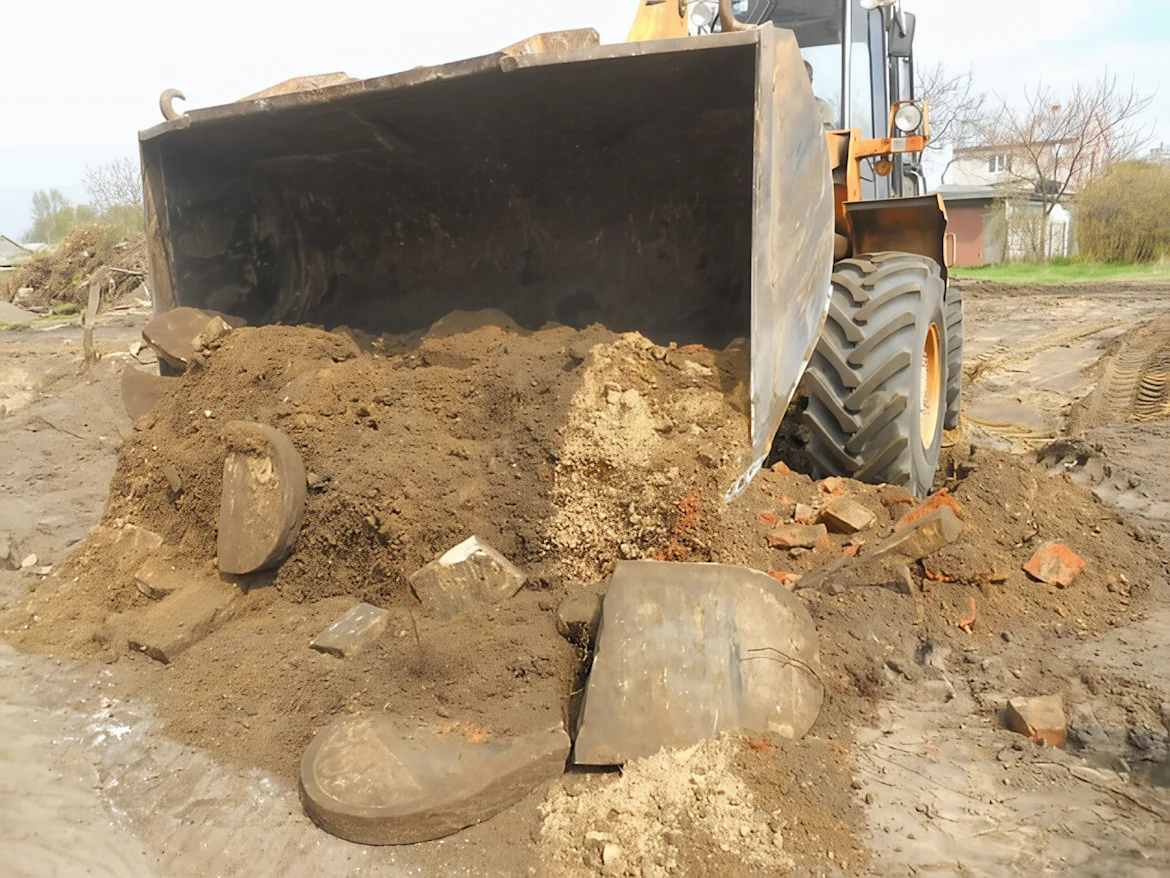
This memorial site was established as the Brest-Litovsk cemetery in 1835. By 1941, more than 35,000 Jewish souls were buried in this place. Despite its longevity, between 1941 and 1944 the Jewish community in Brest, and the cemetery itself, were decimated by the Nazis, mercilessly erasing Jewish life. Over the many years following this destruction, the site was never marked or acknowledged as a Jewish cemetery, even though the bodies interred there remained. Without a single standing stone, this sacred burial ground faced the threat of being forgotten entirely.
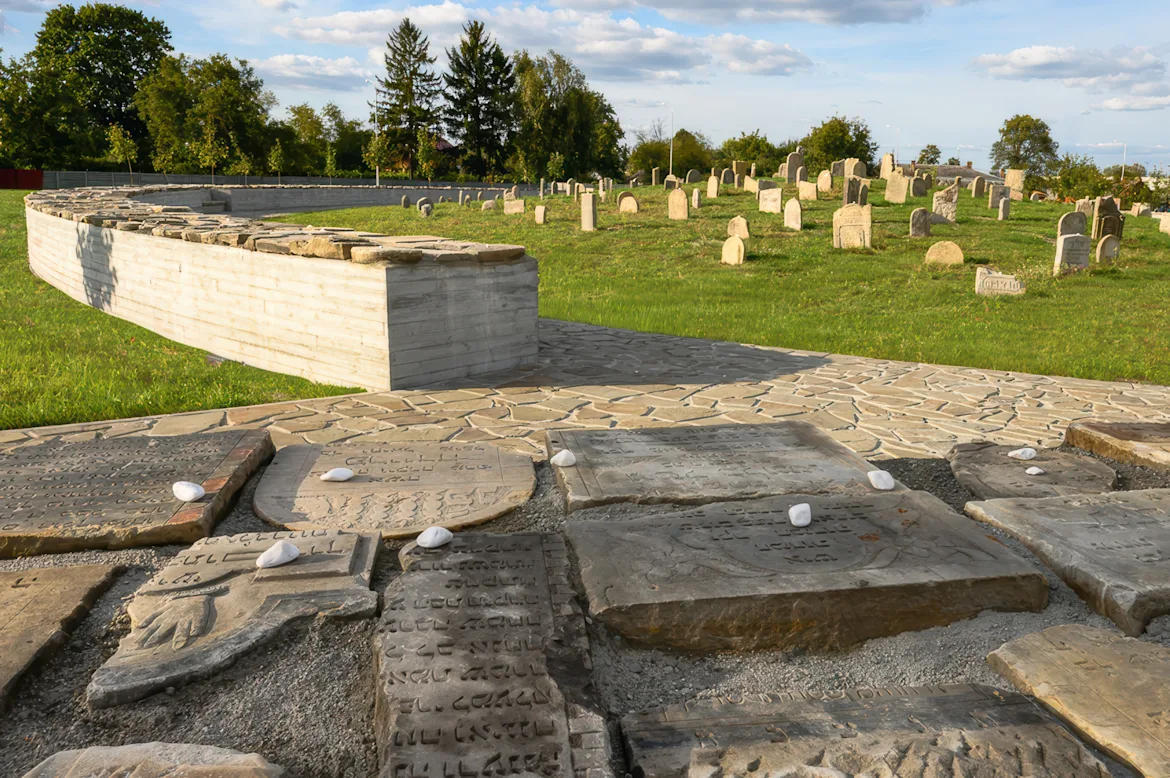
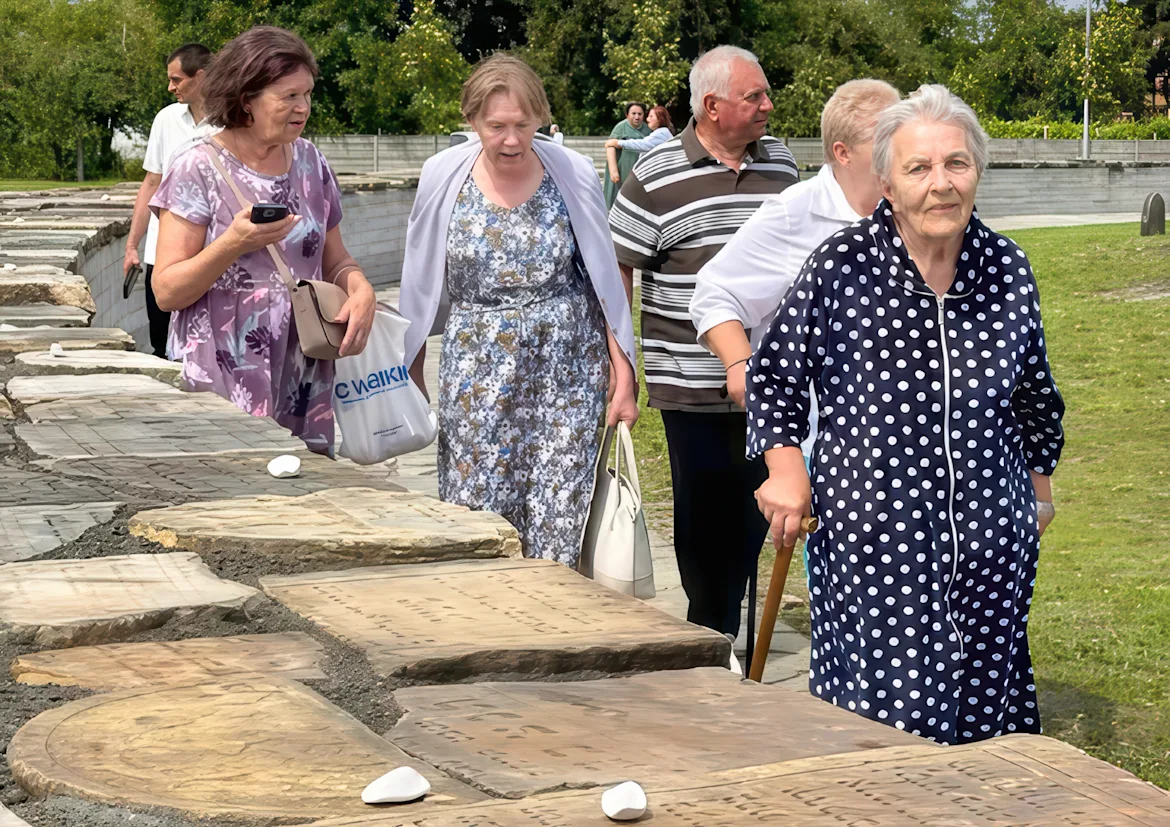
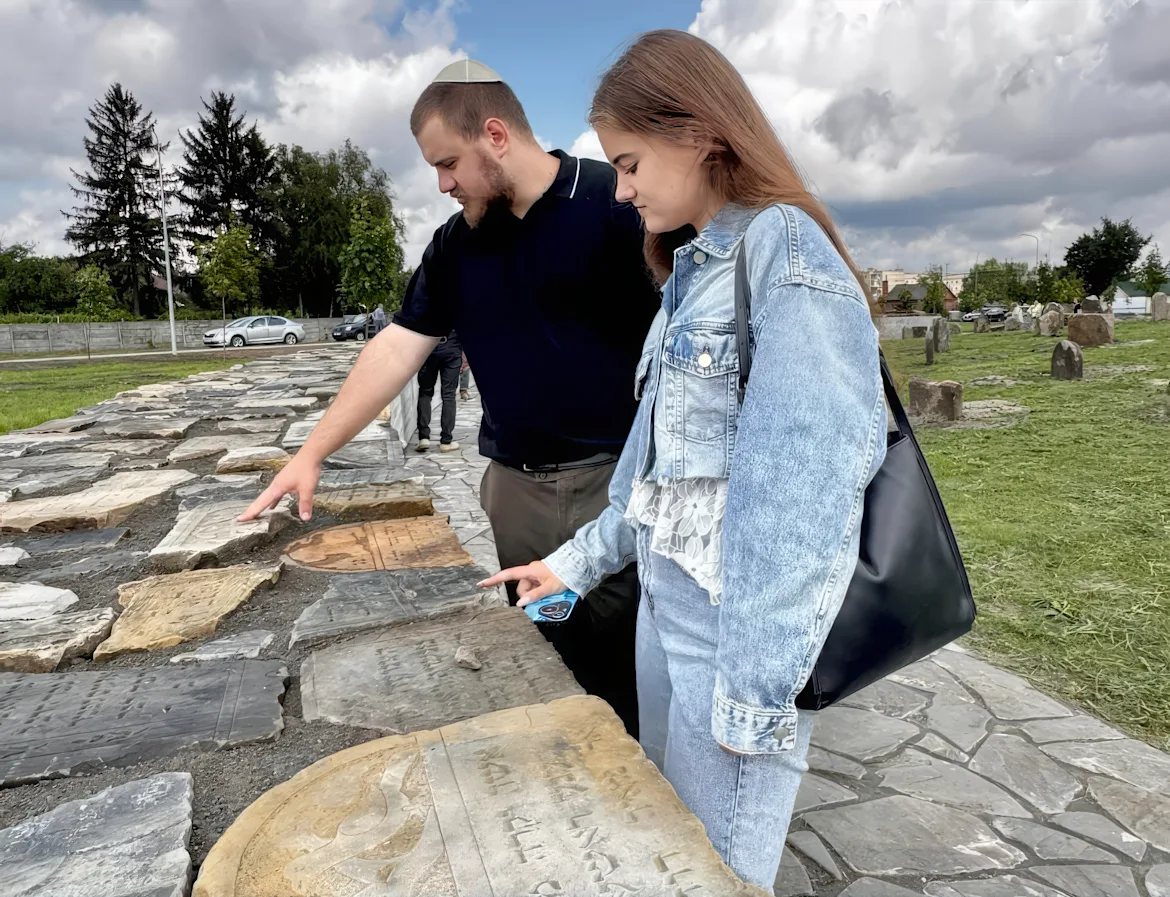
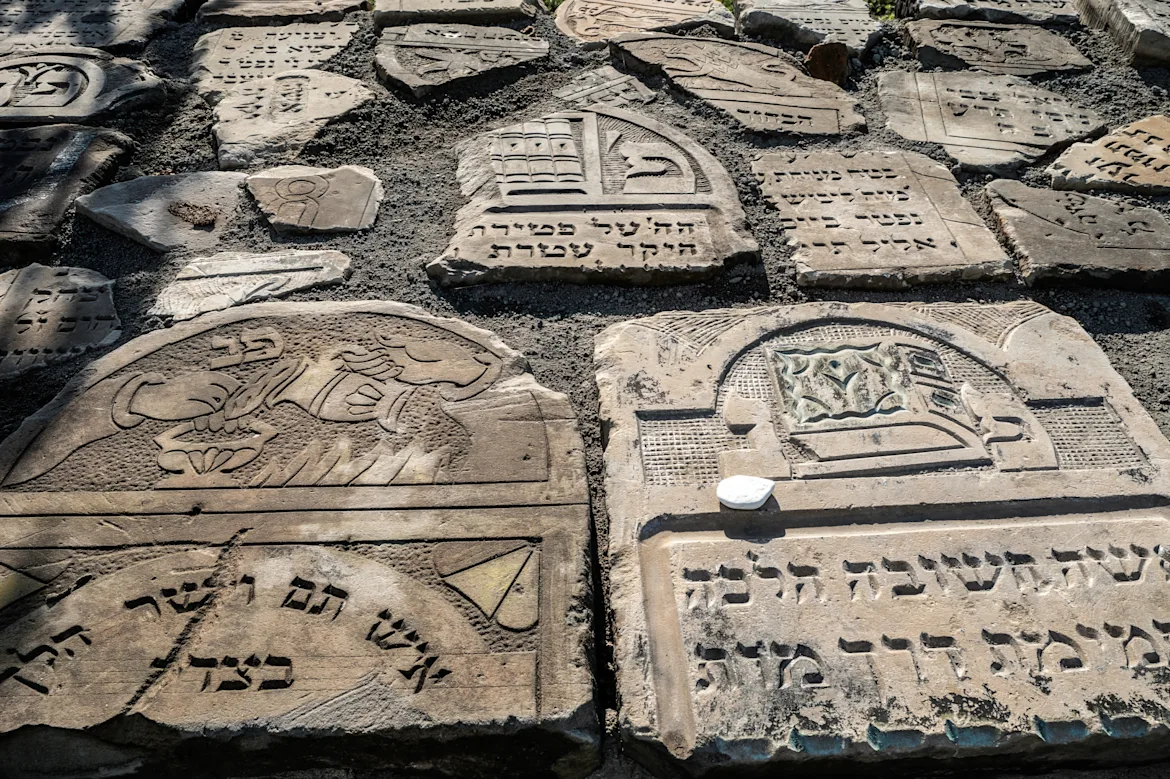
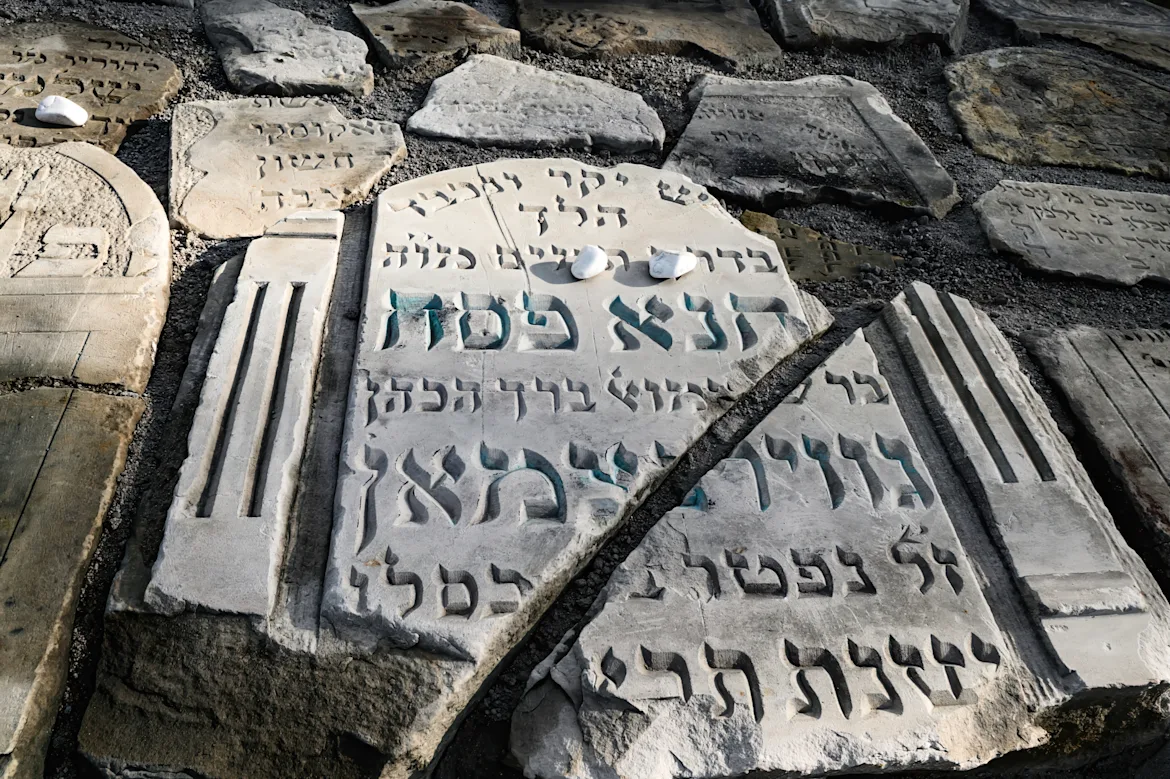
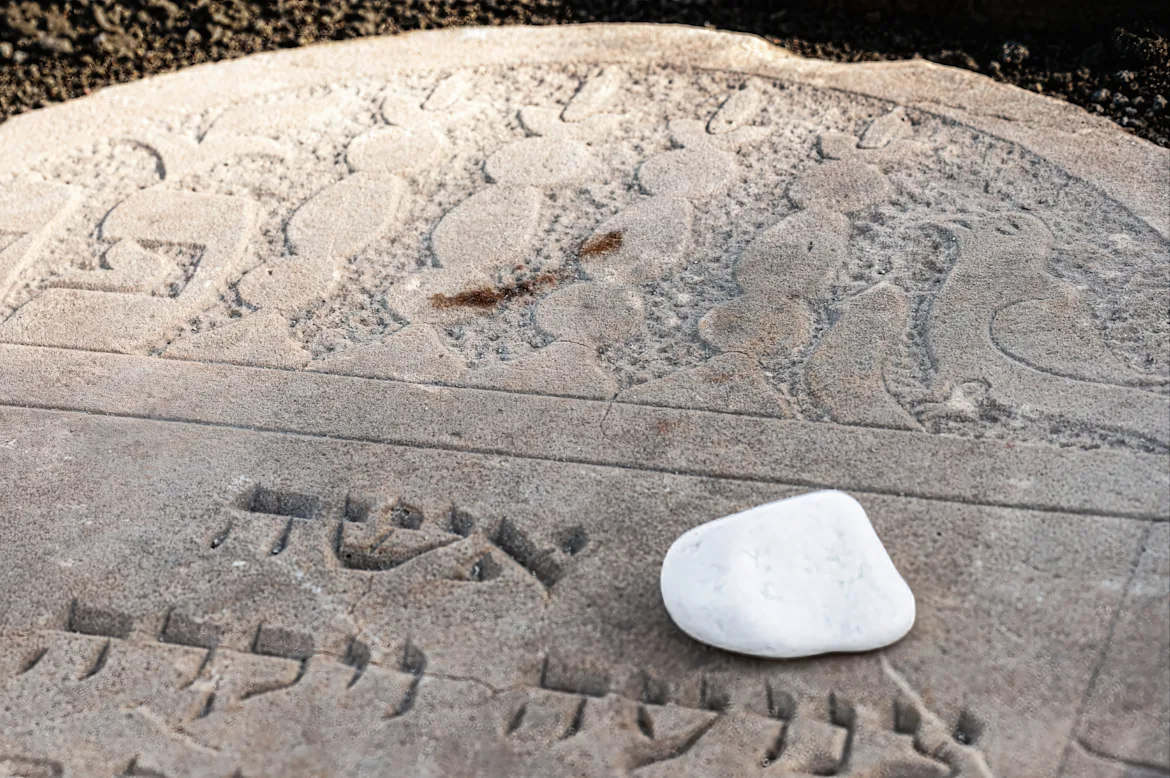
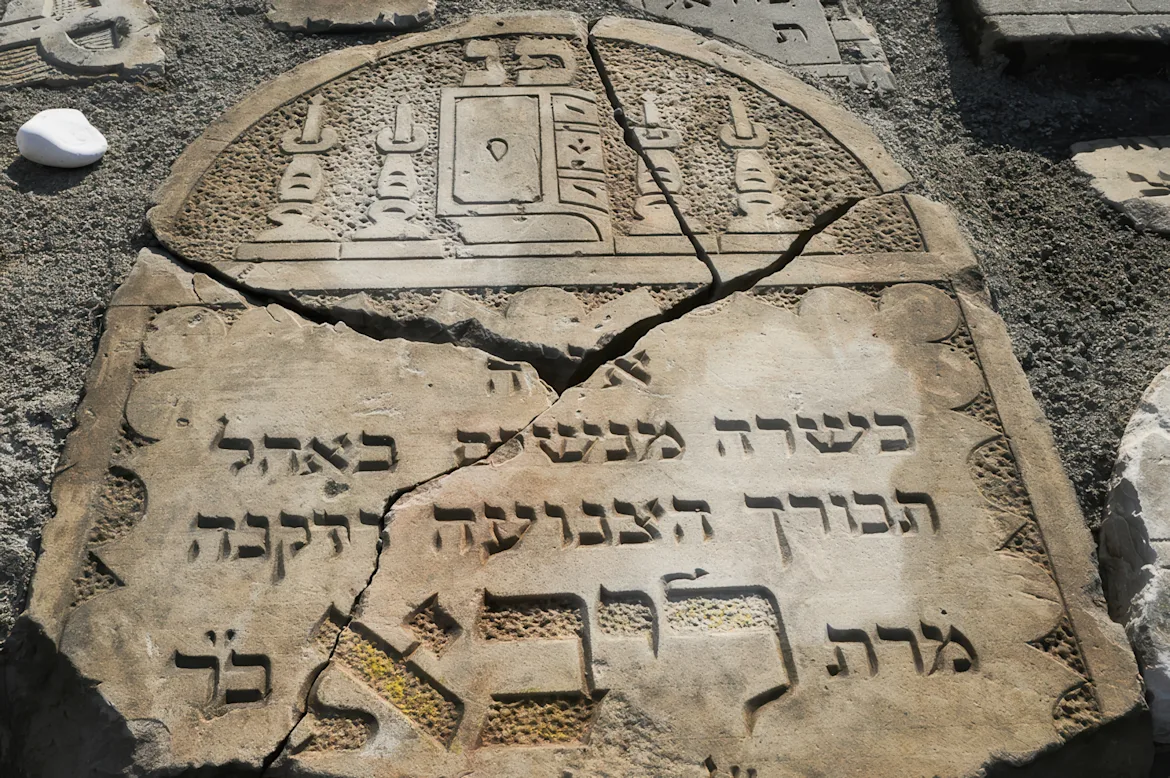
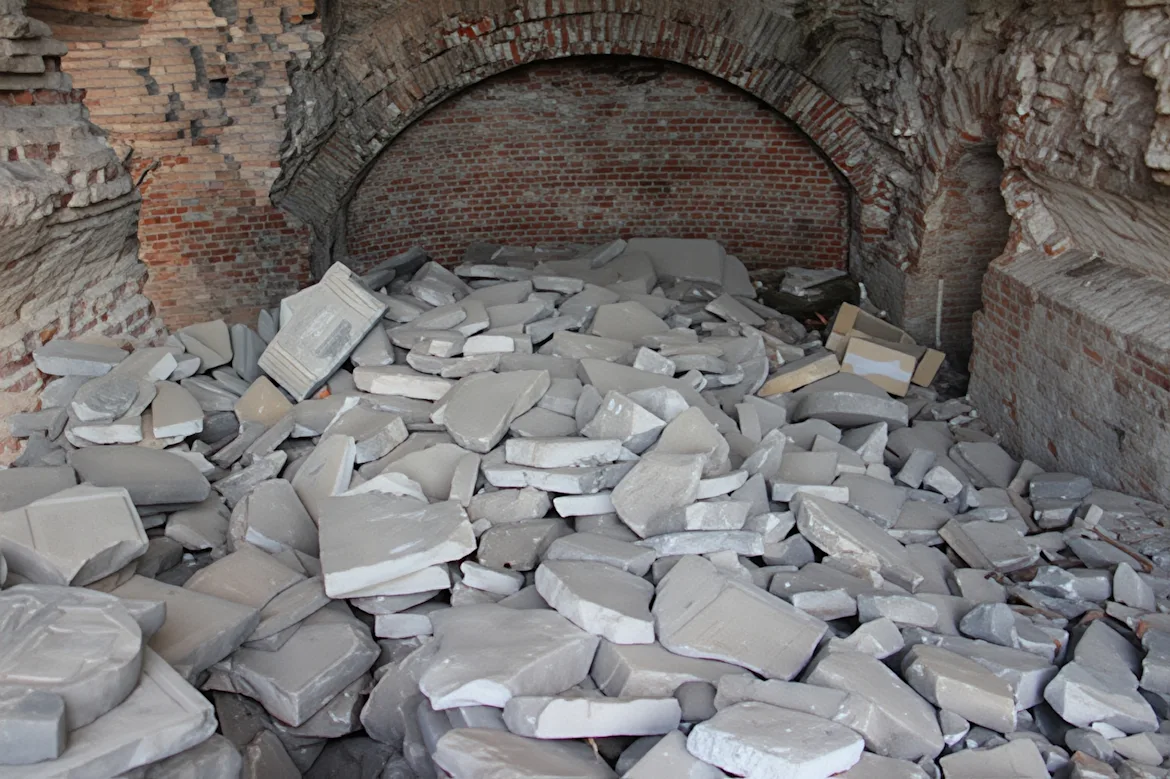
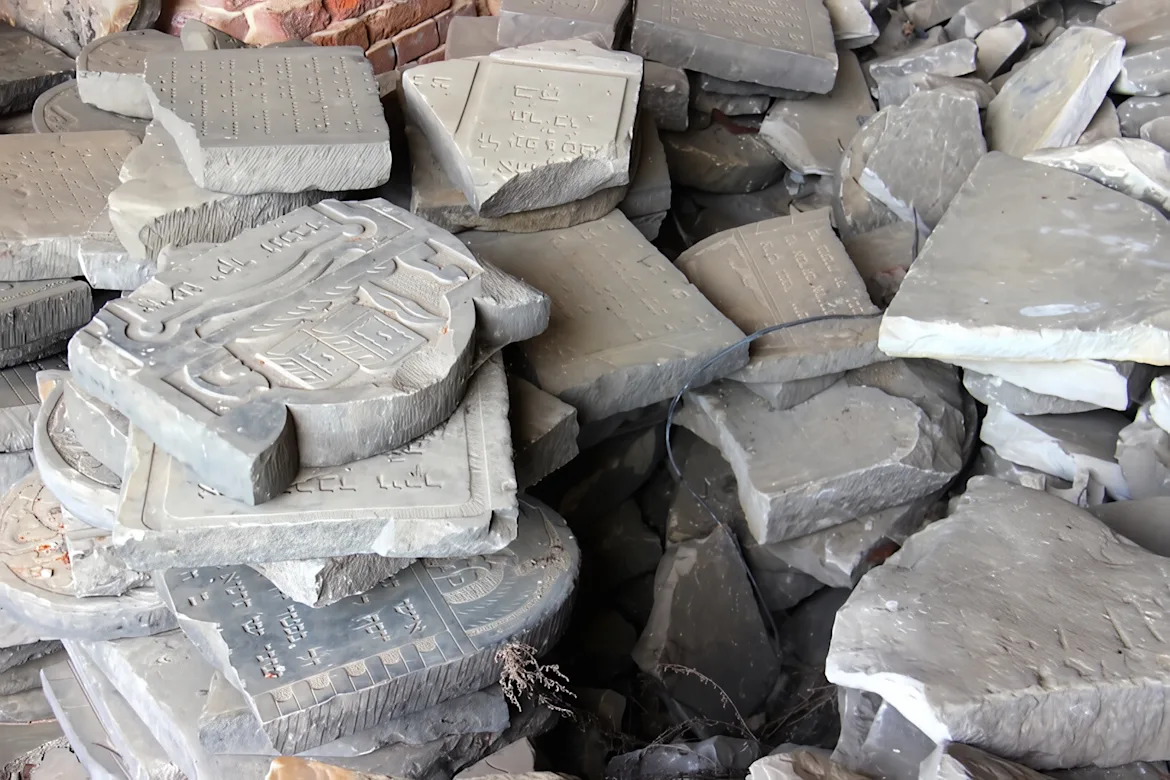
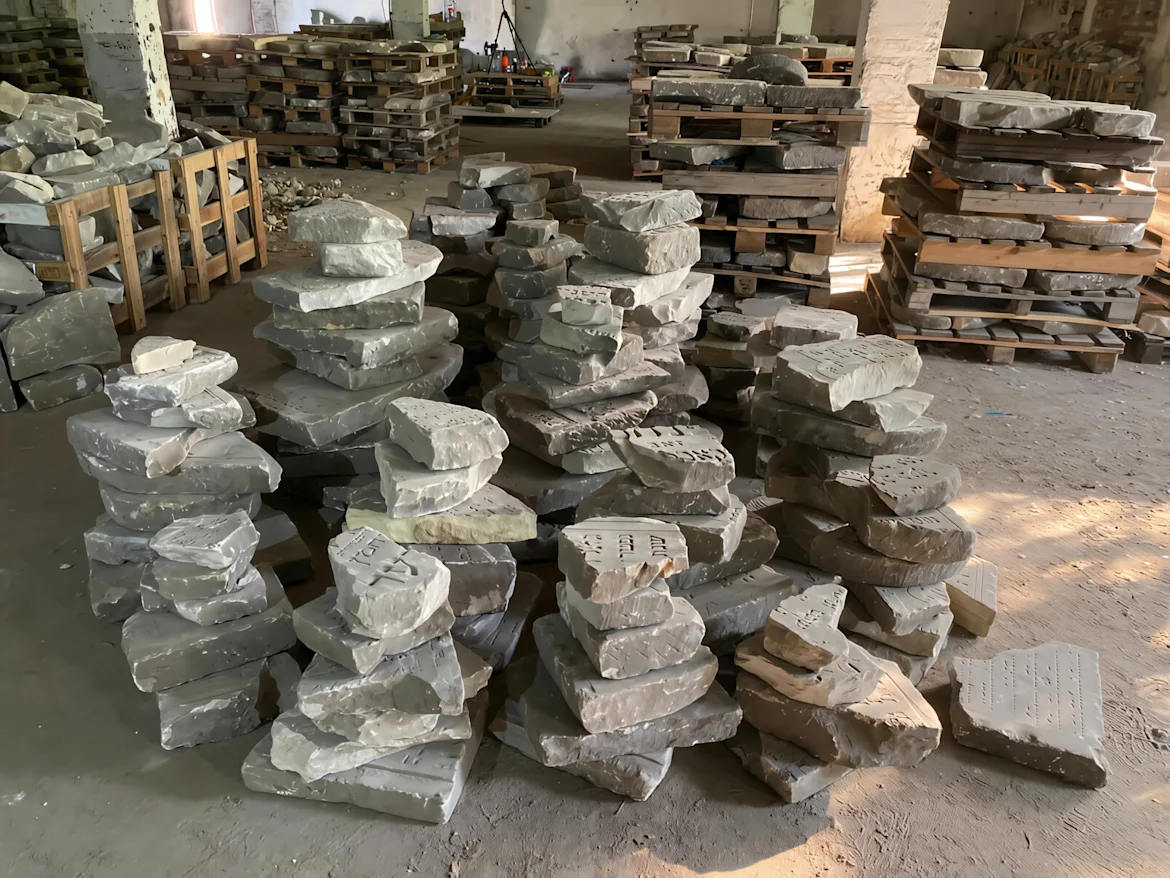
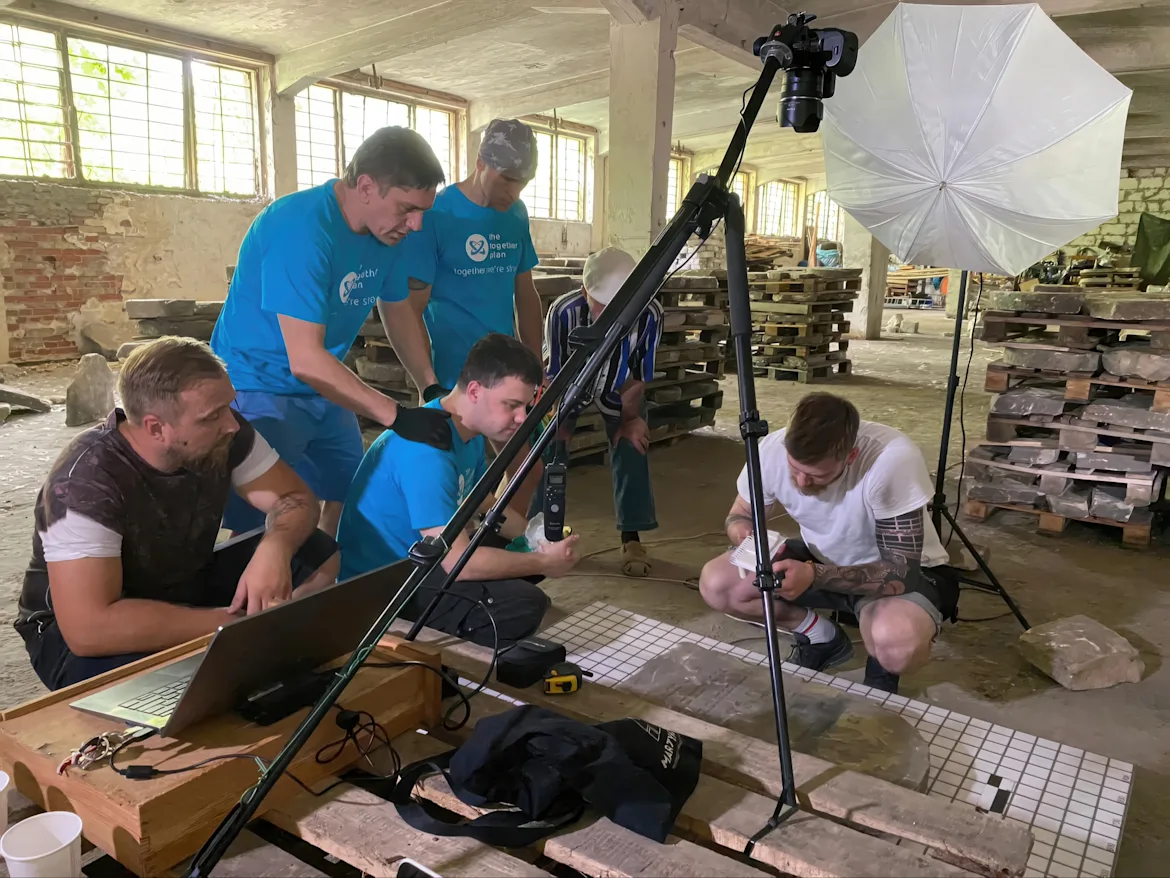
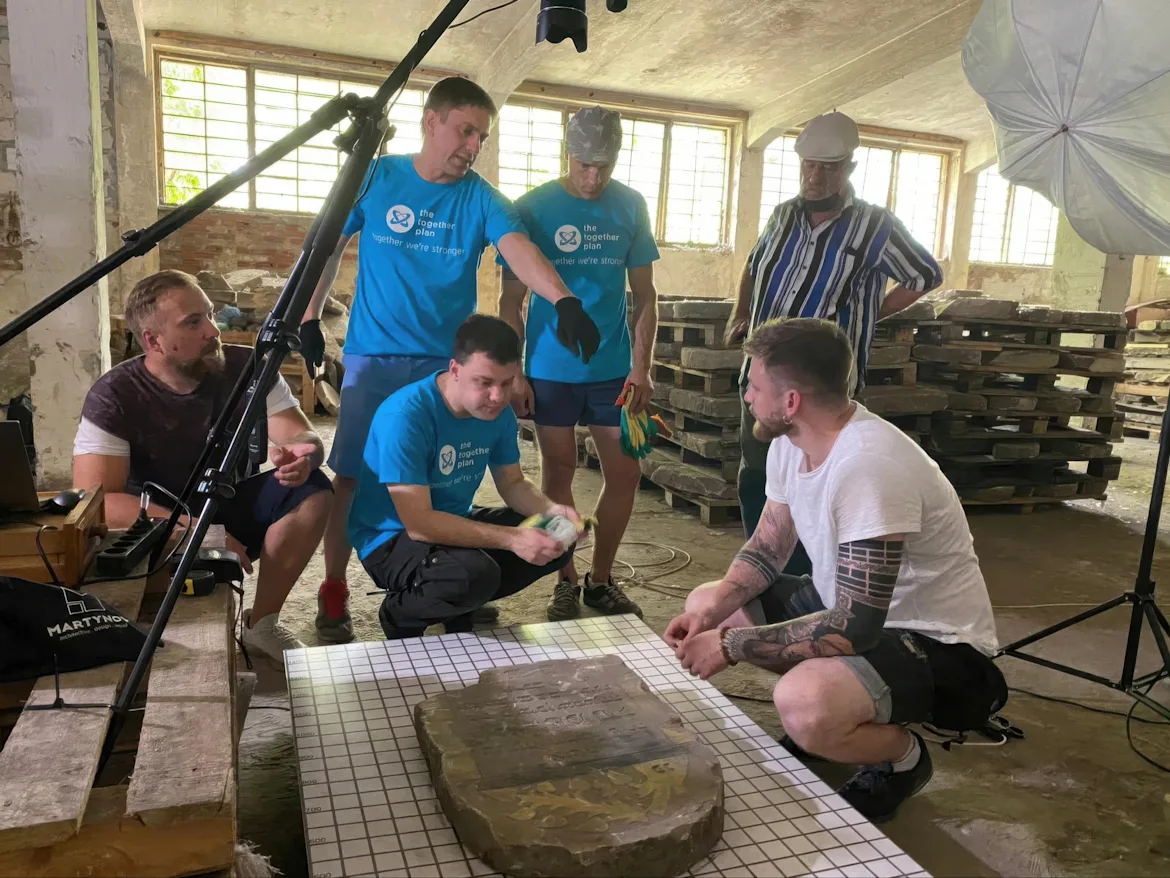
Through the actions of many people and organizations in Belarus and internationally over decades, a sense of loss and memory was transformed into action. Approximately 1,250 fragments of gravestones from this hallowed ground survived and were reclaimed, warehoused, cleaned, photographed, and catalogued in a database of each legible stone. The result—a first-of-its-kind memorial in the former Soviet Union—has been realized: a place of dignity, reflection, and education.
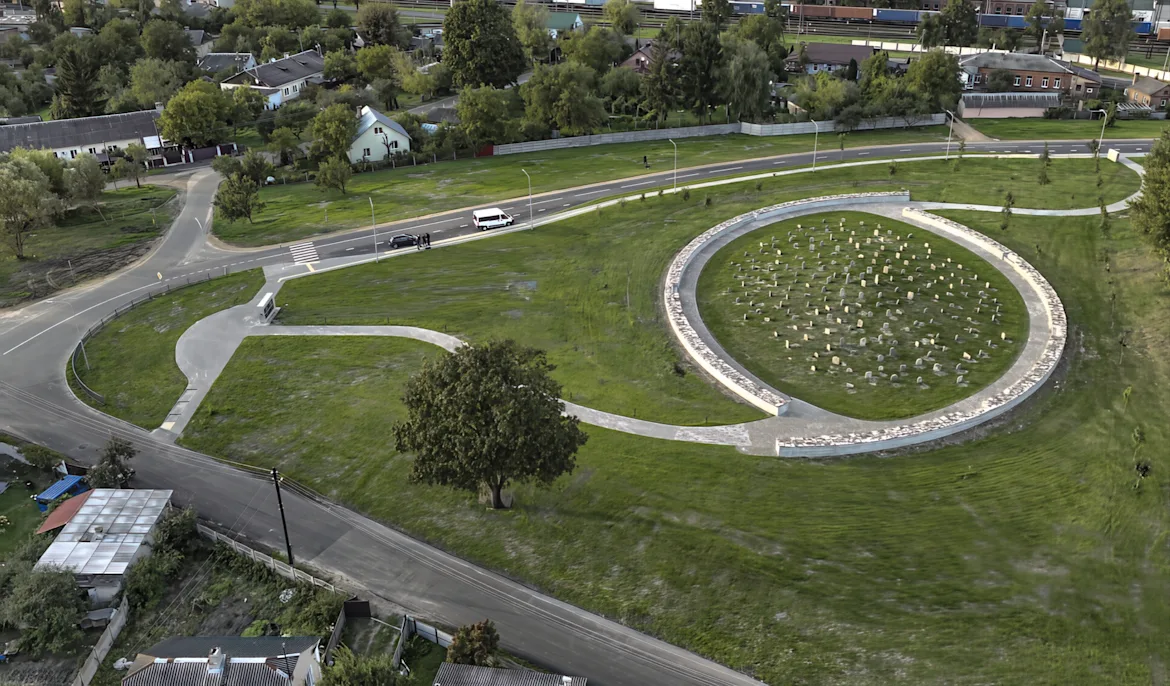
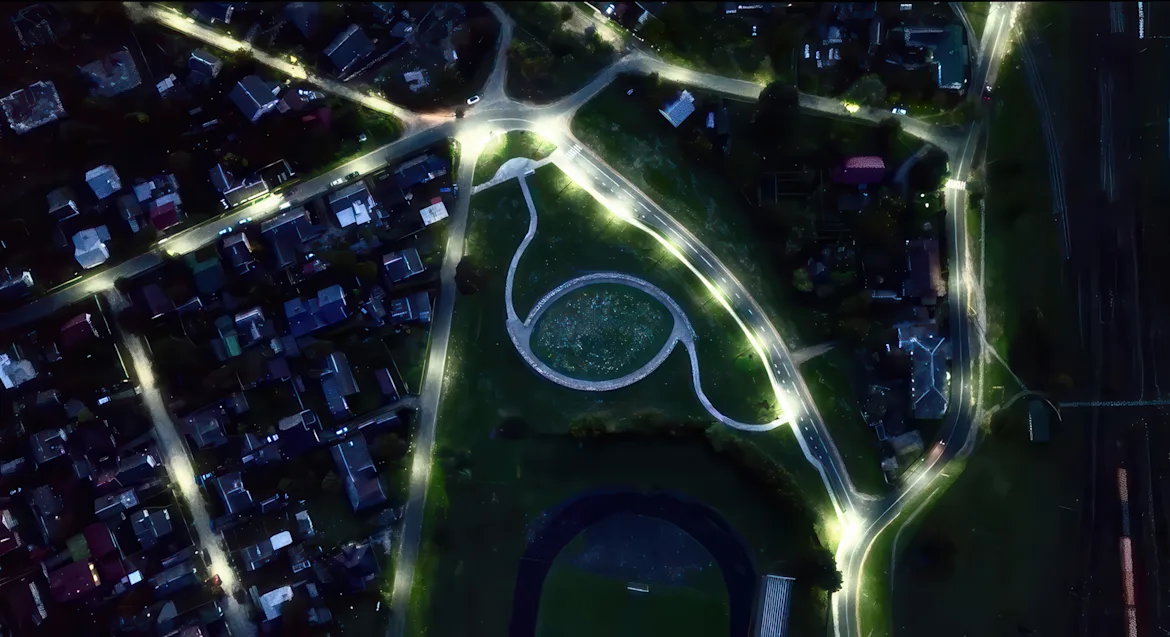
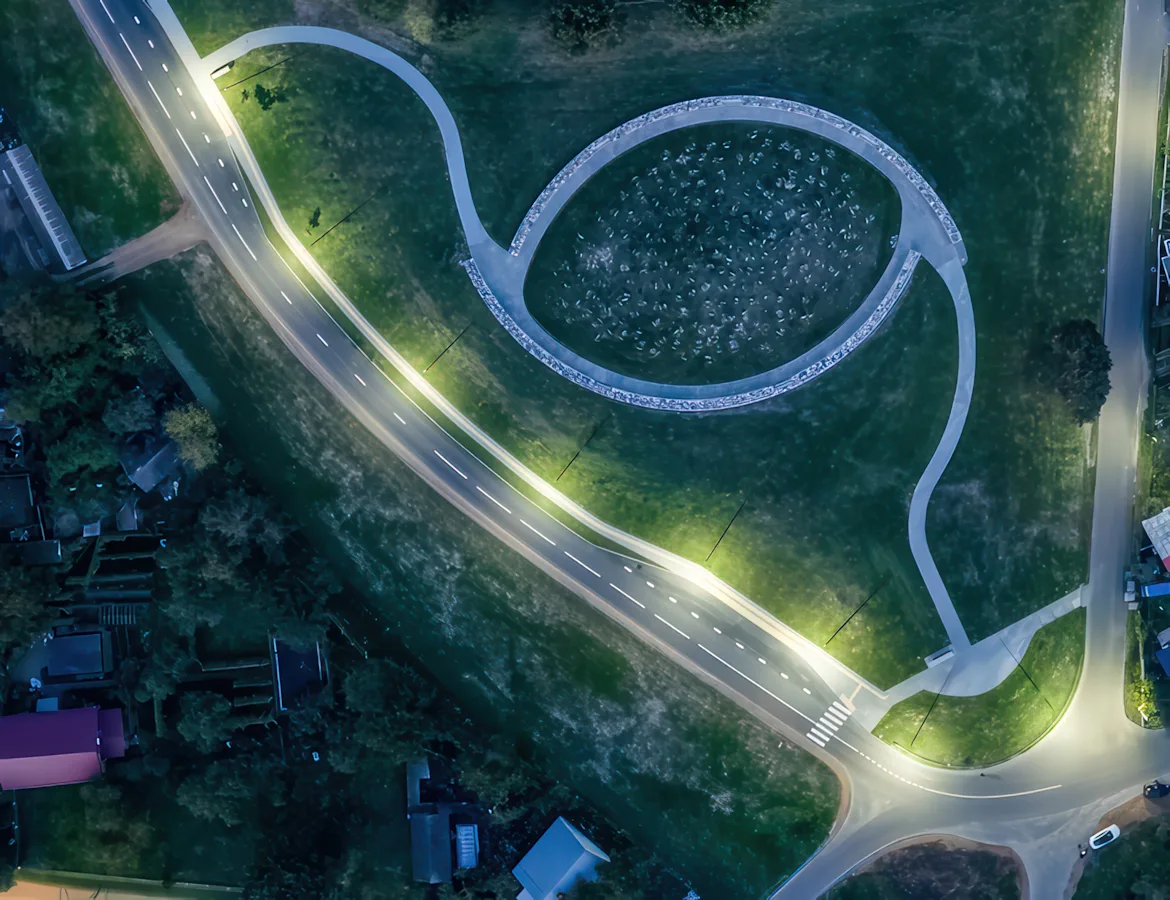
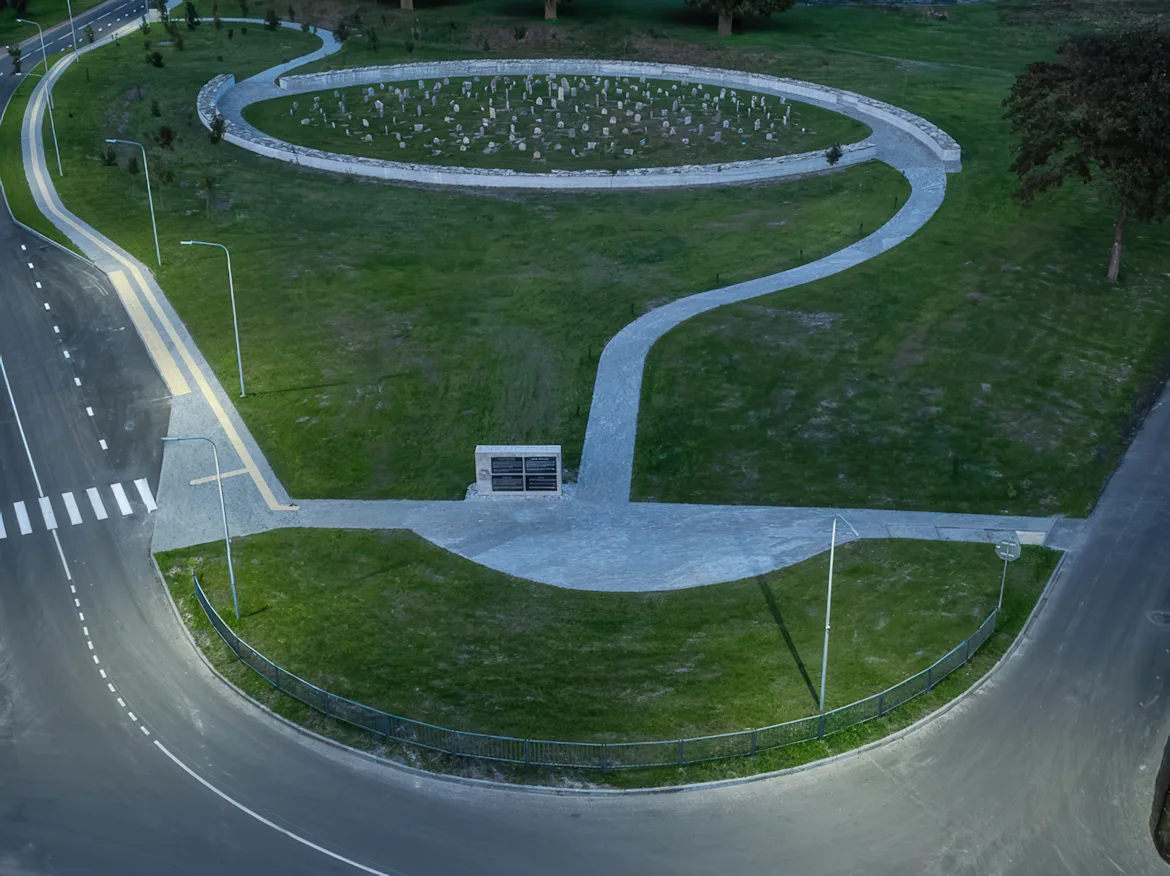
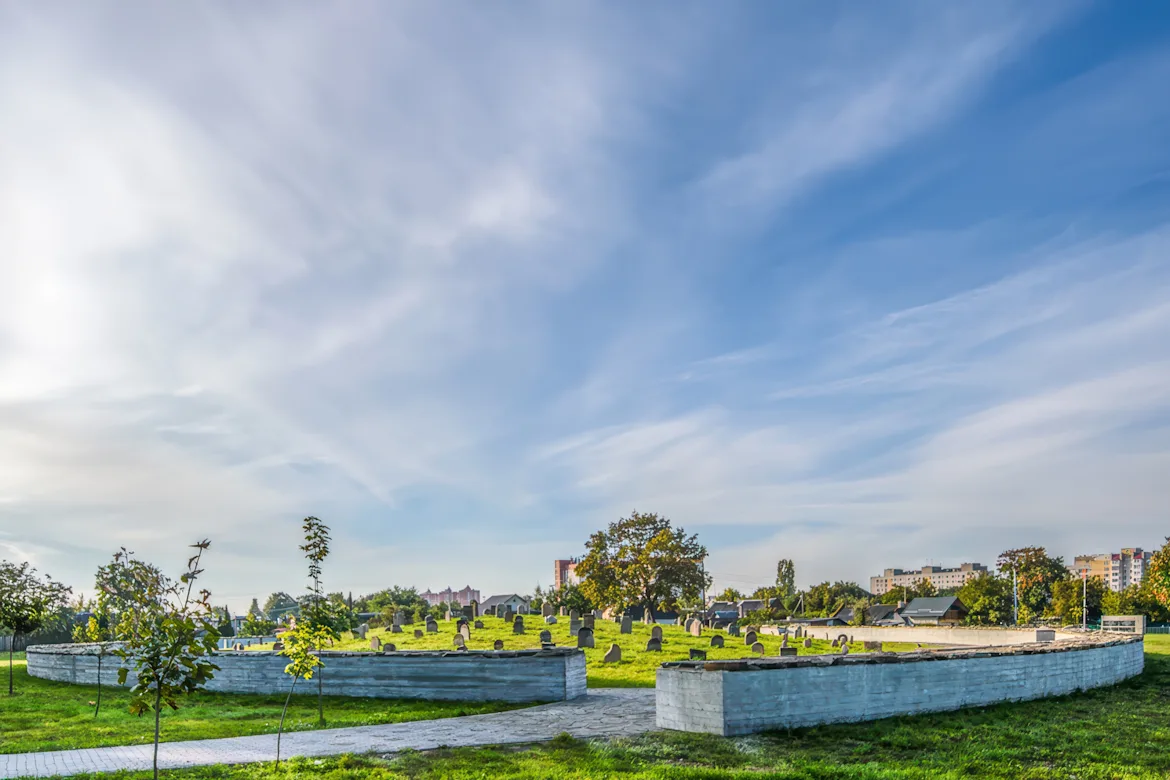
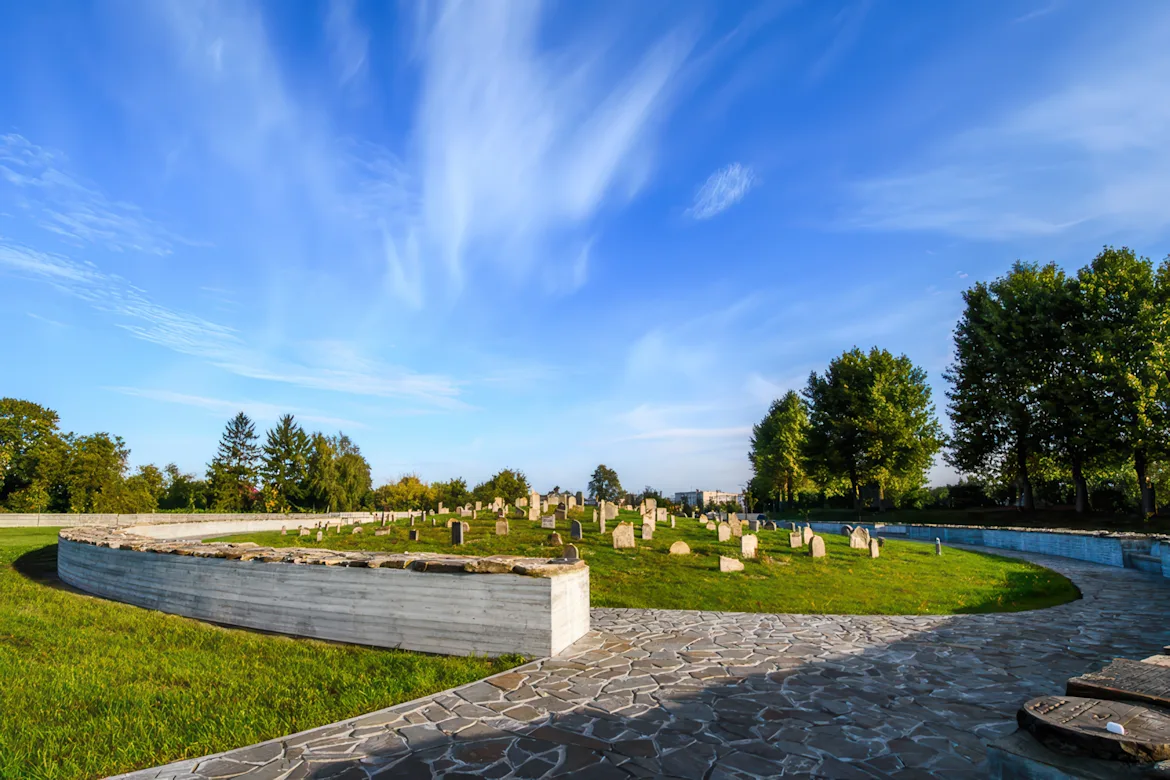
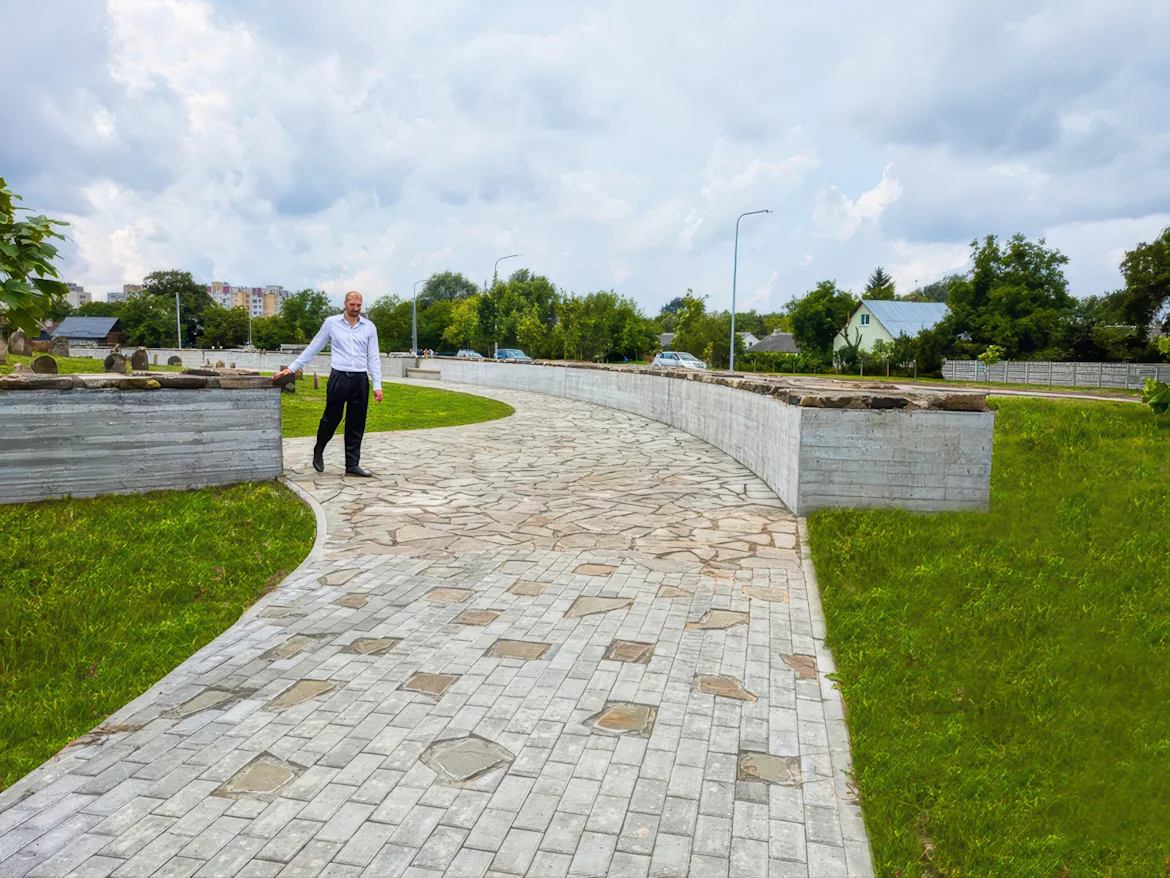
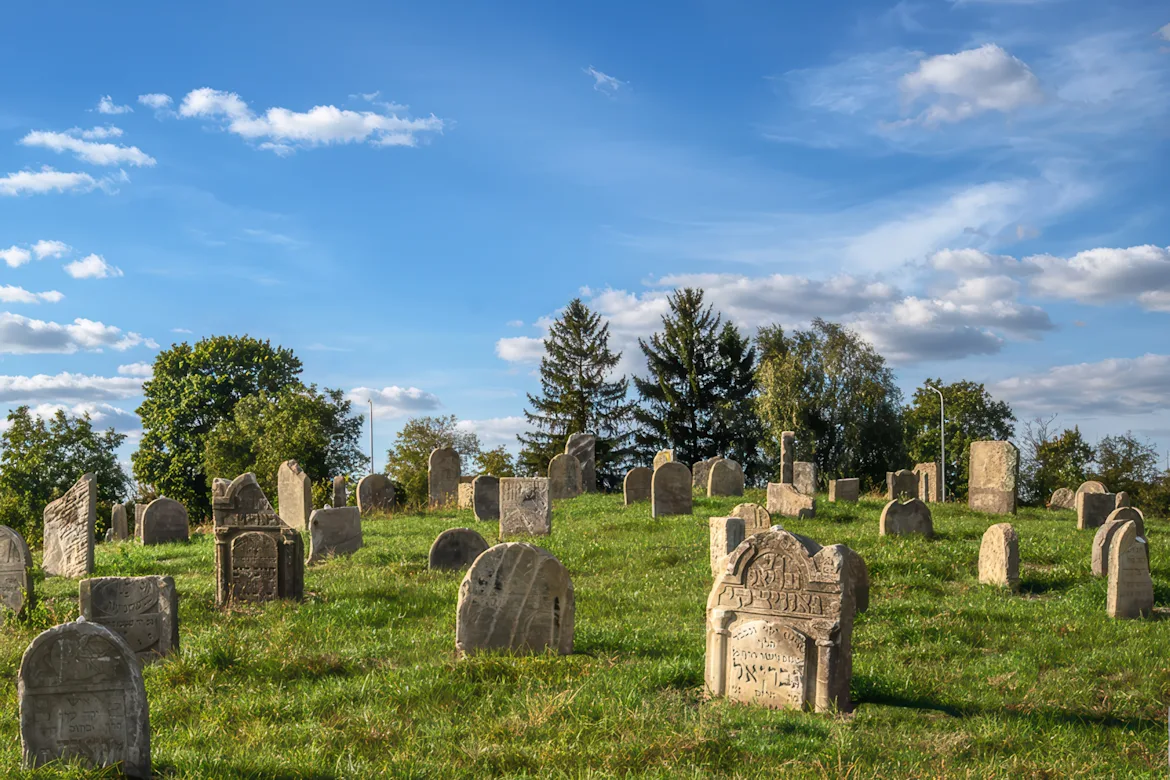
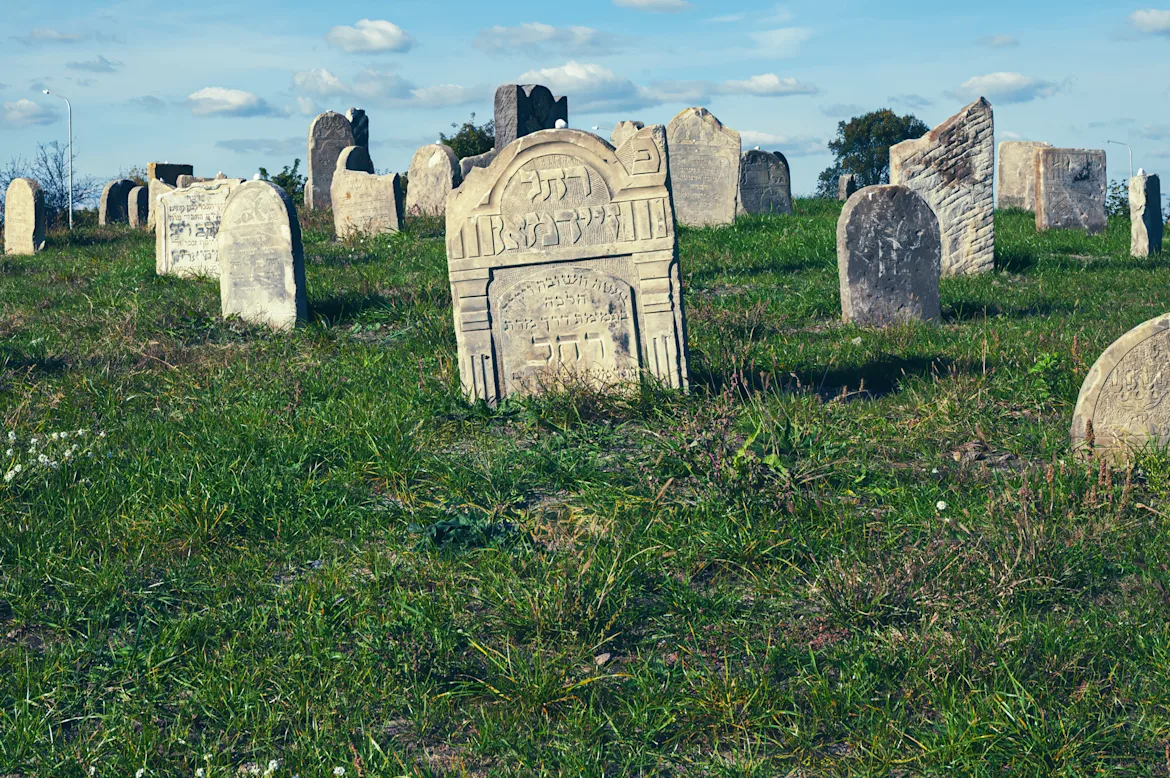
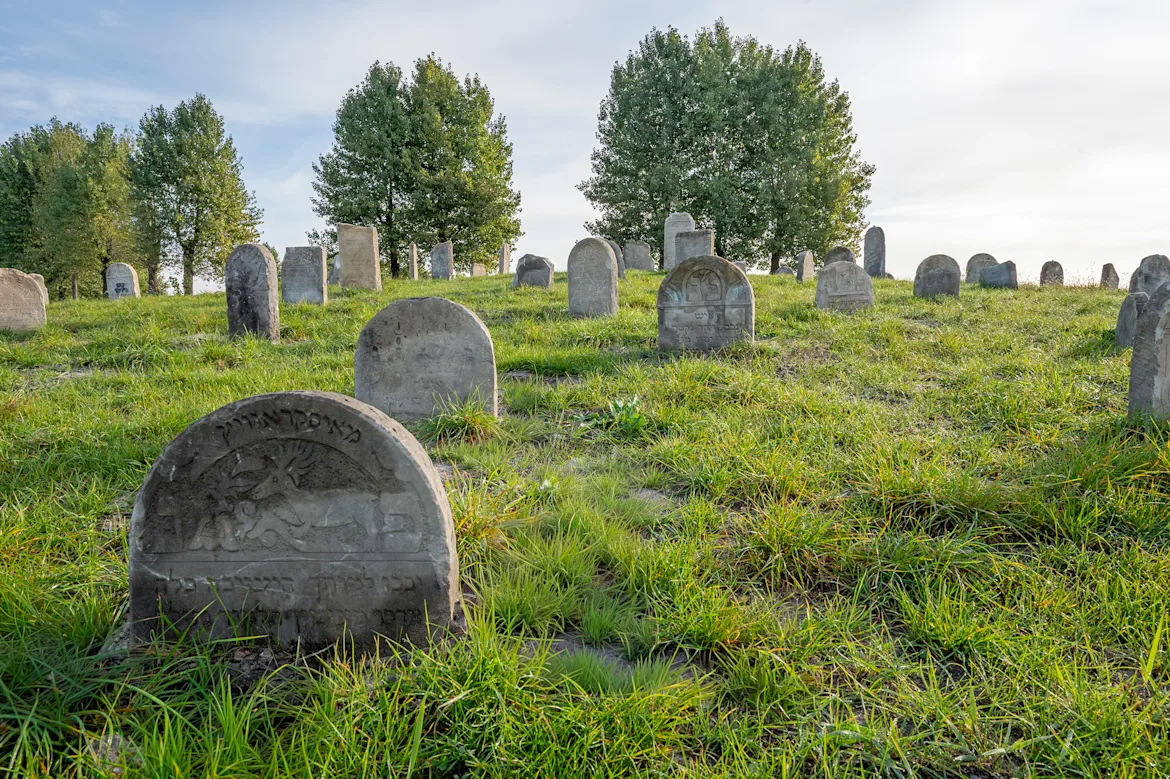
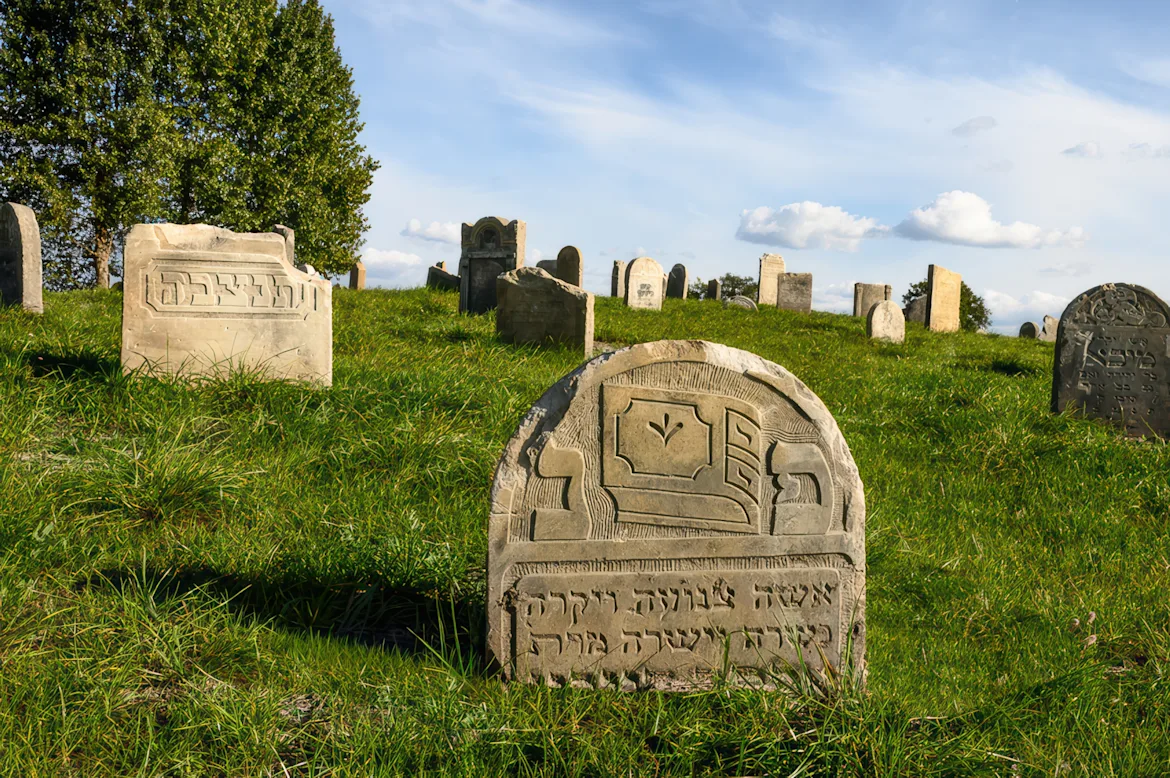
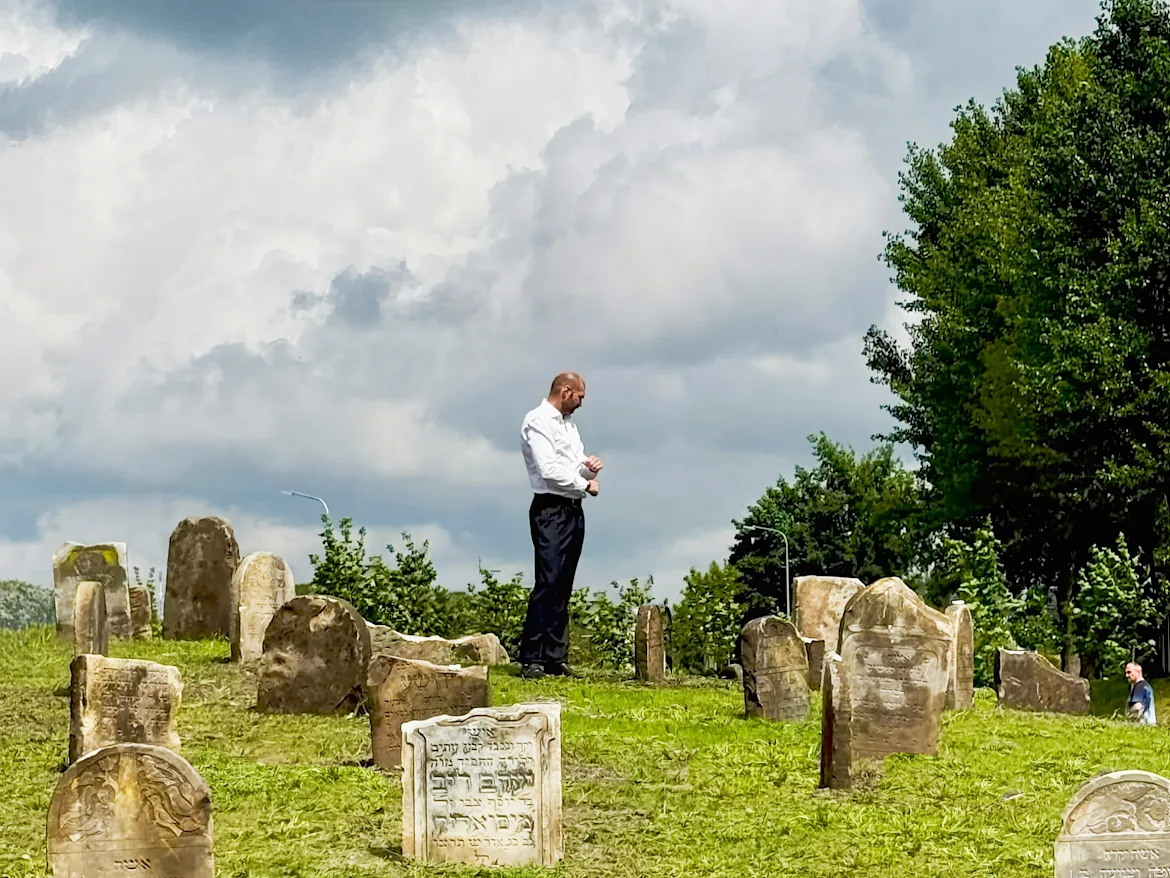
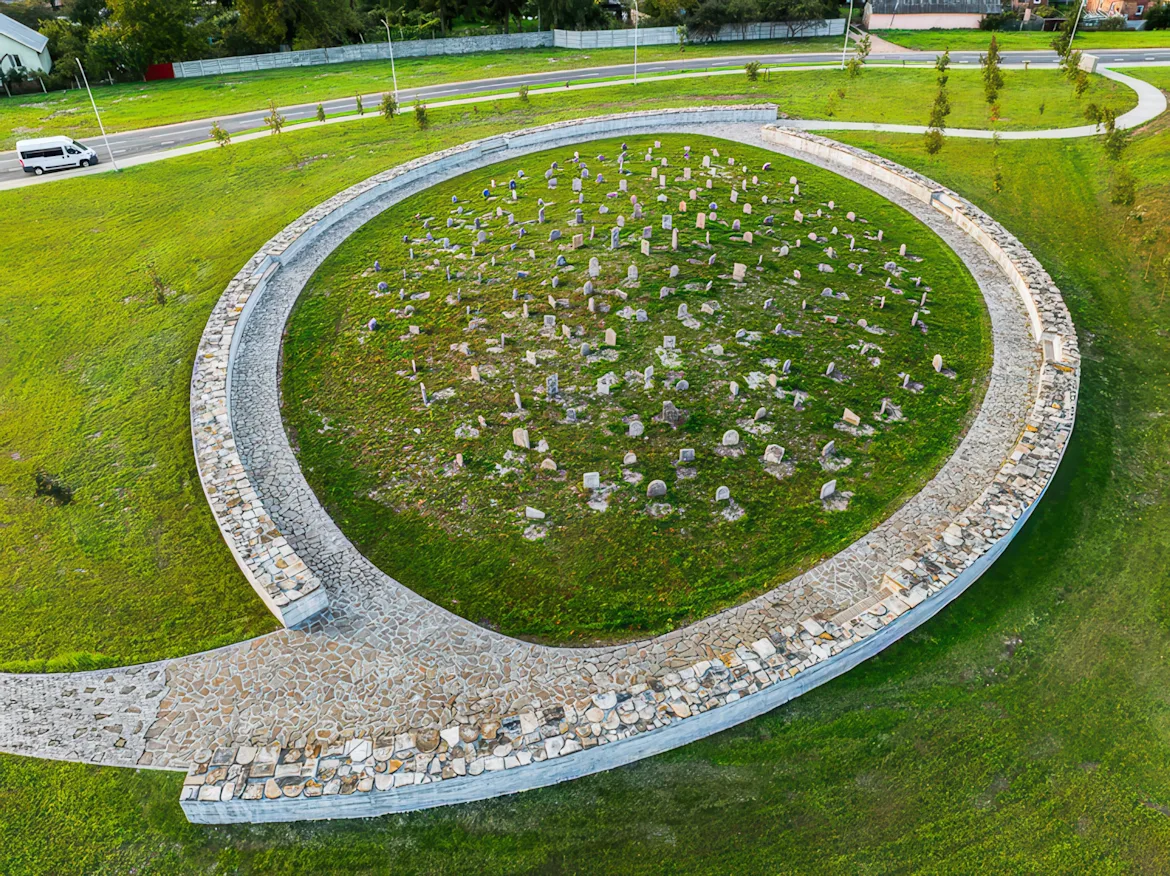
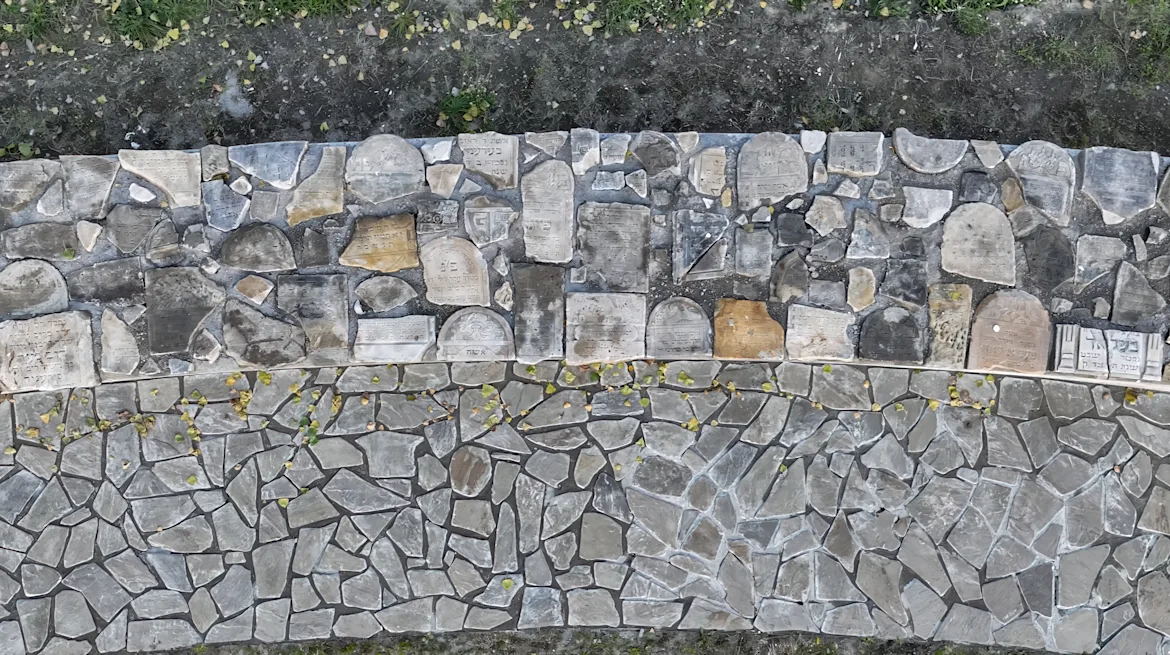
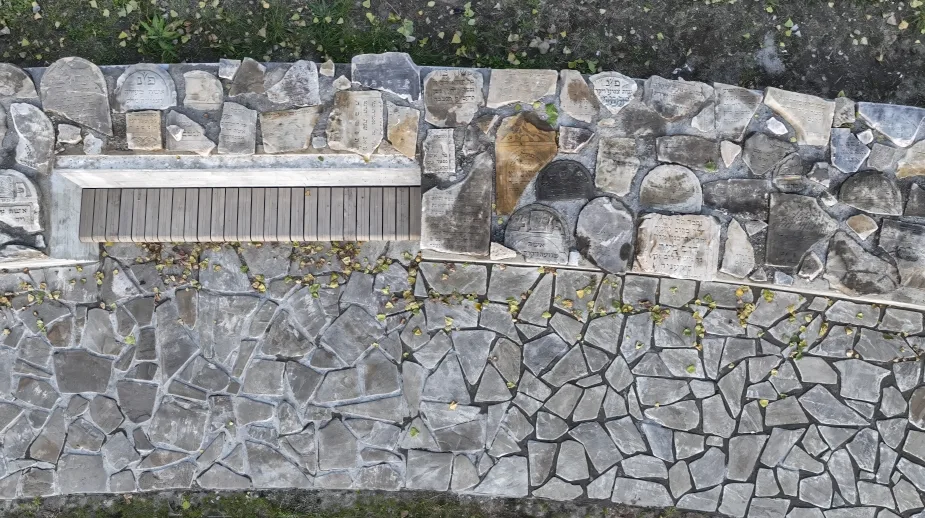
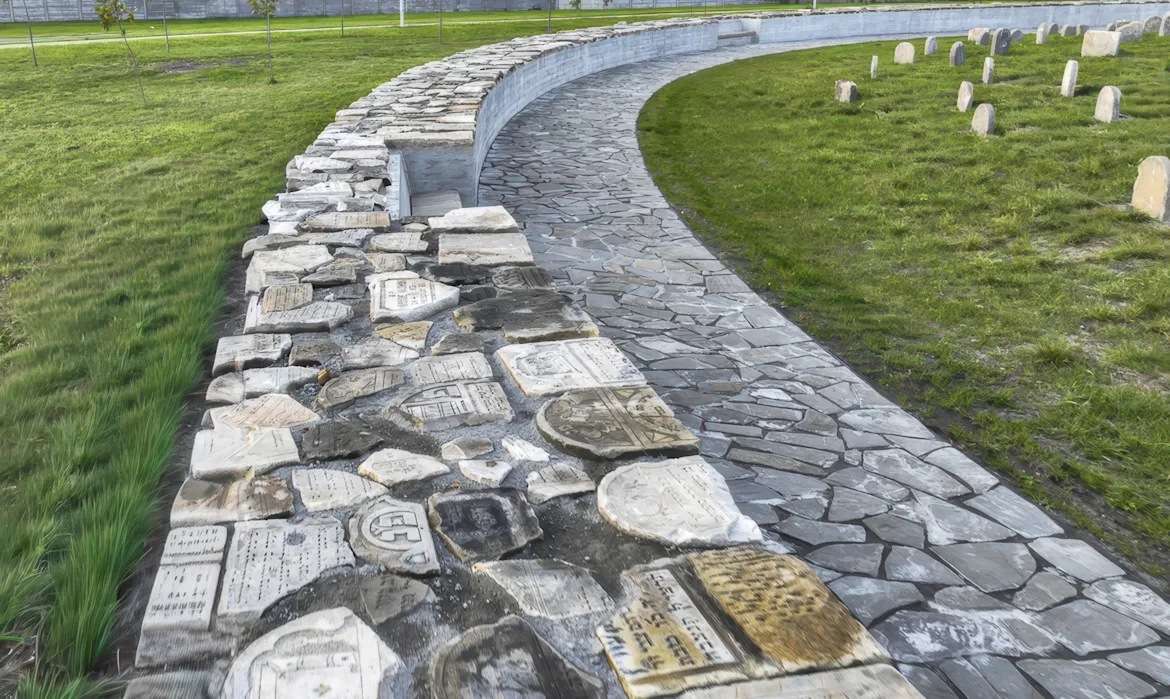
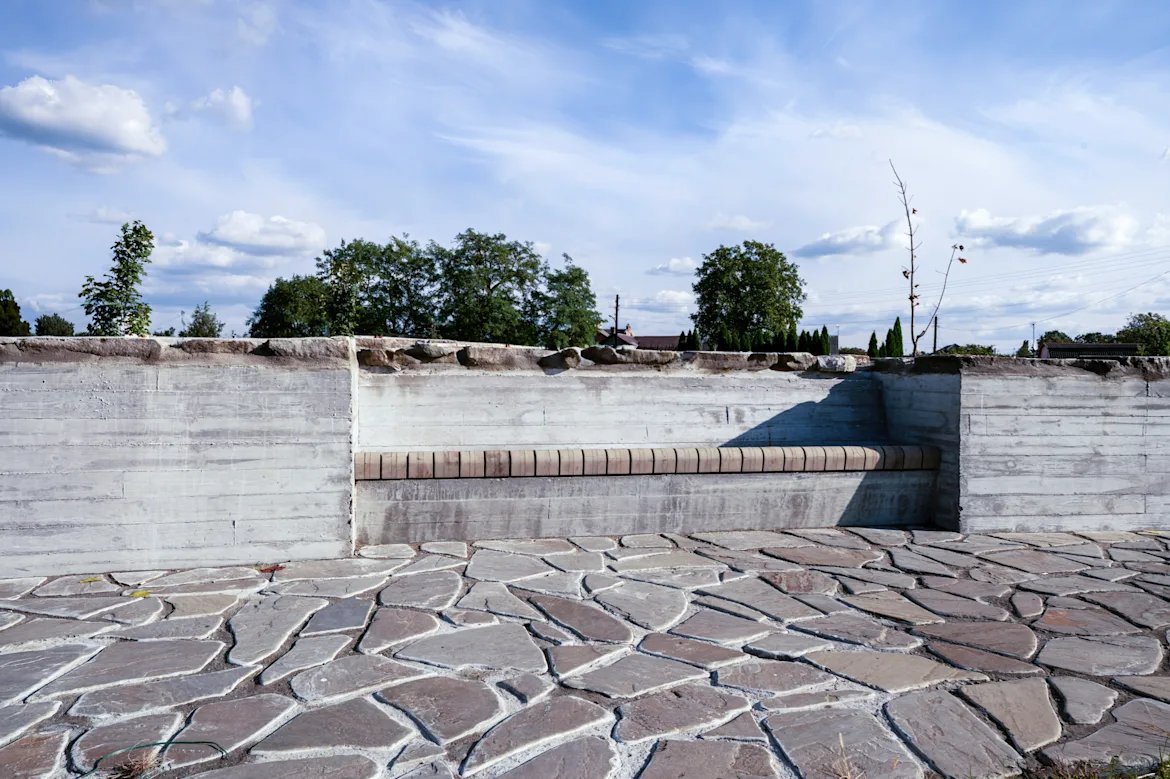
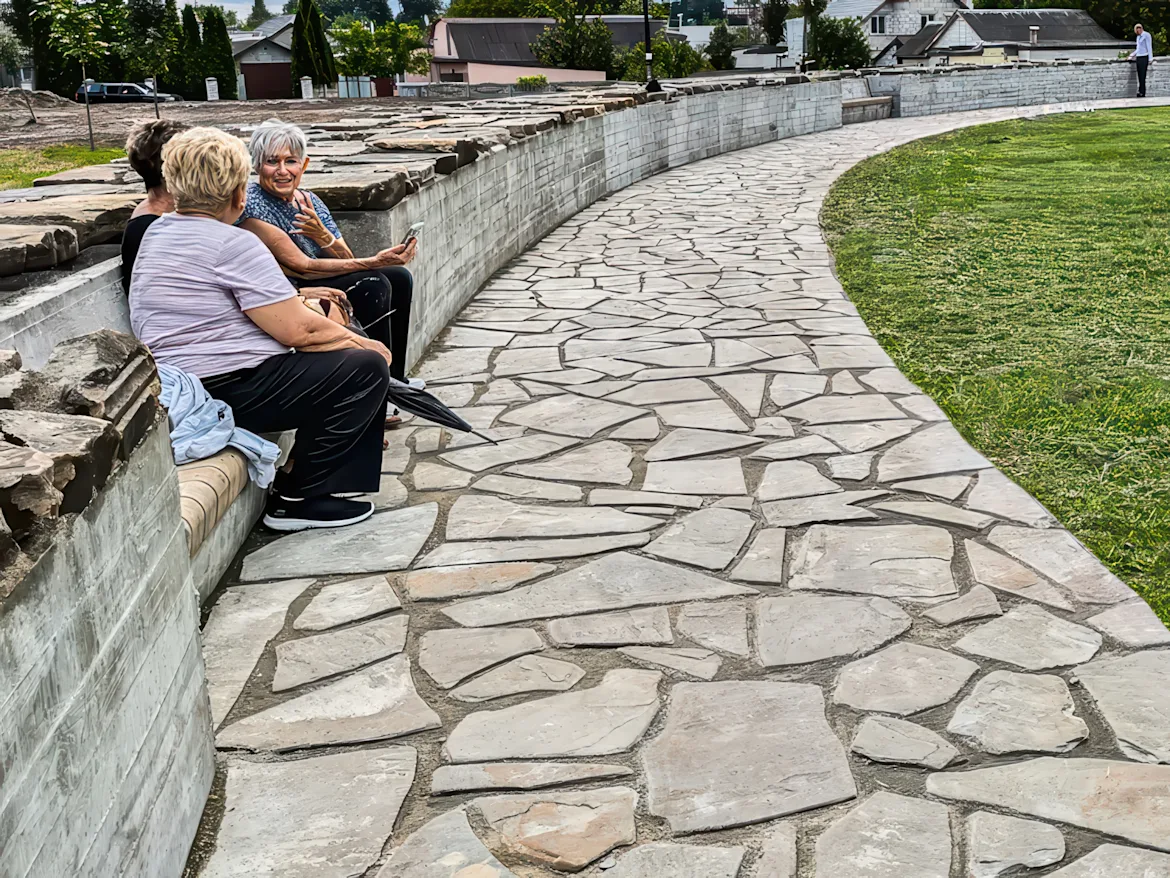
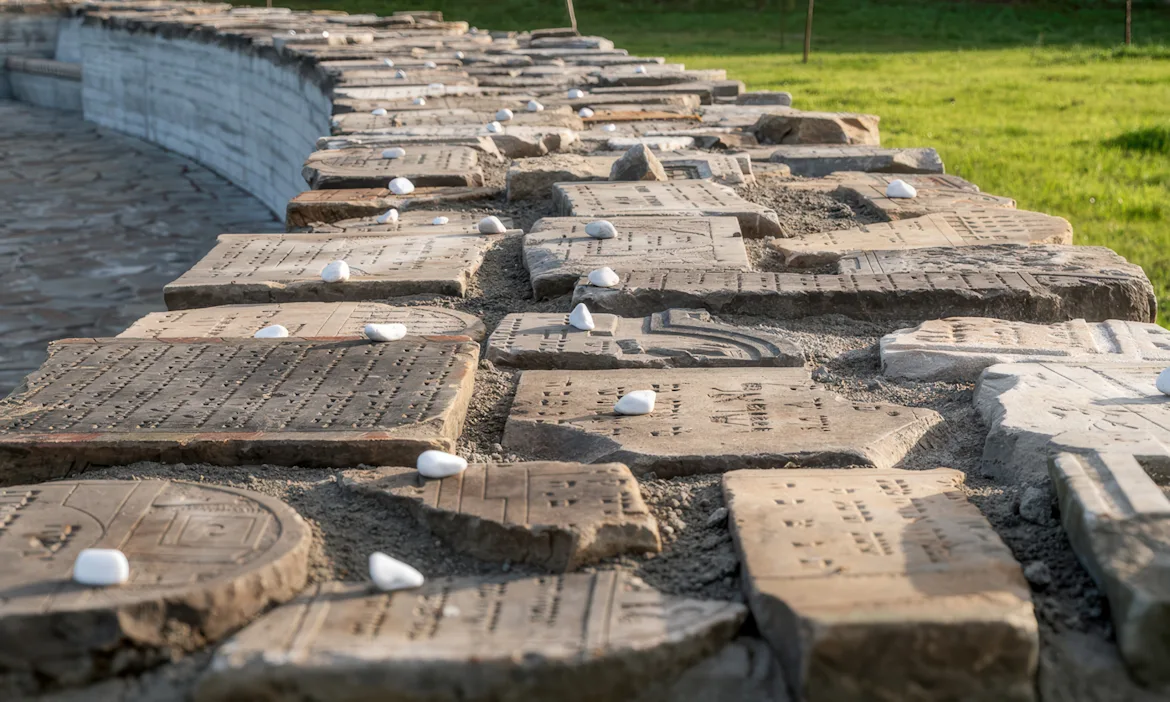
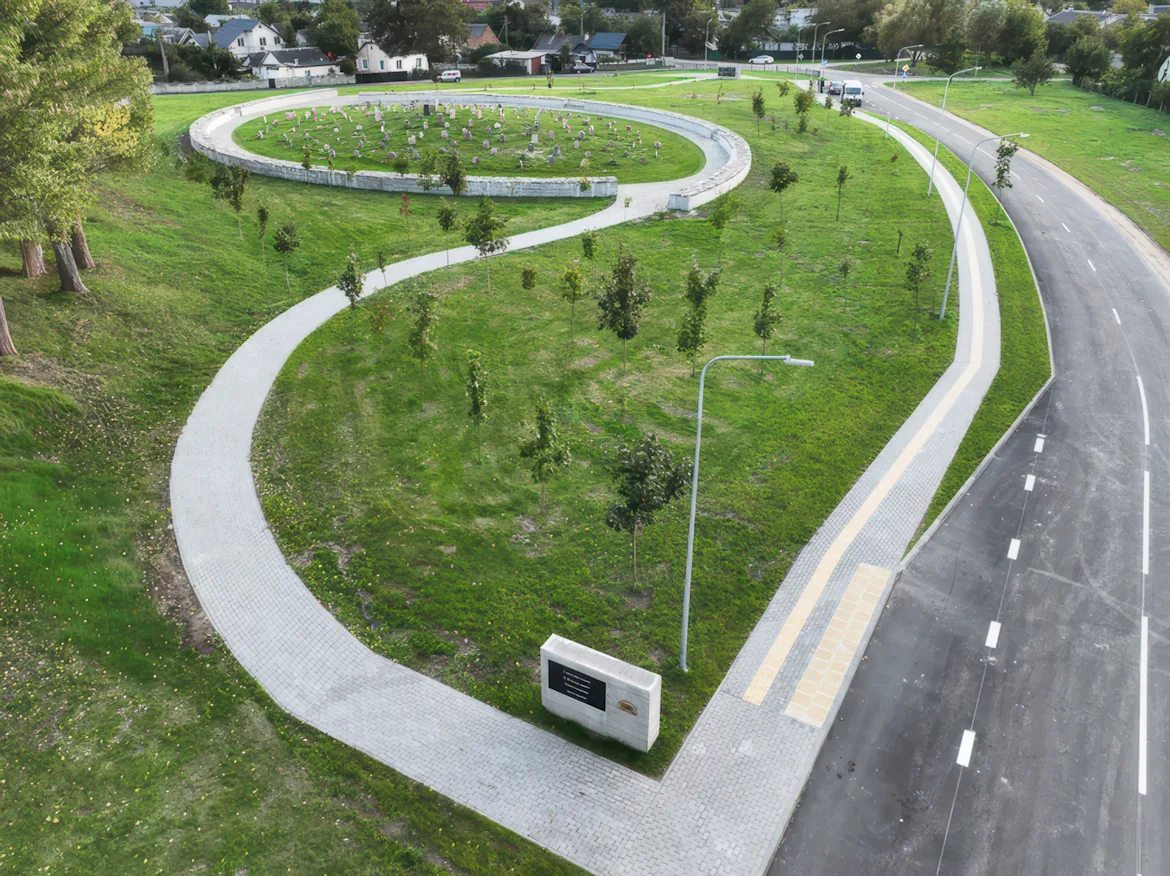
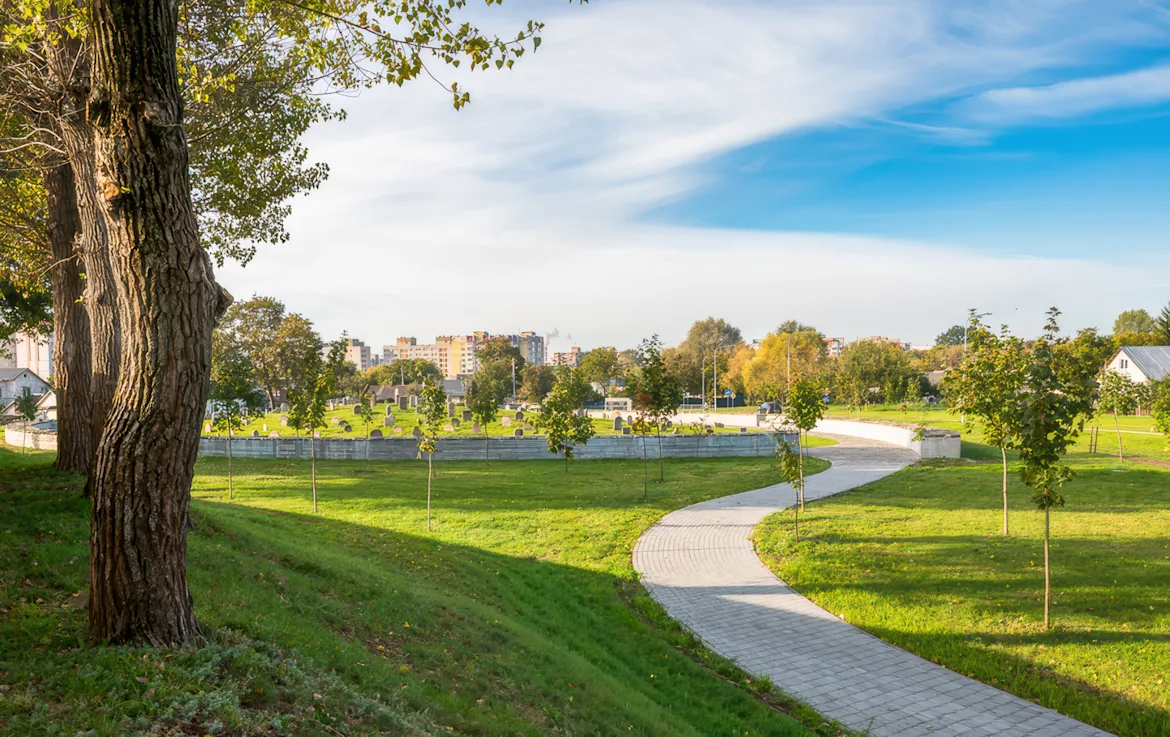
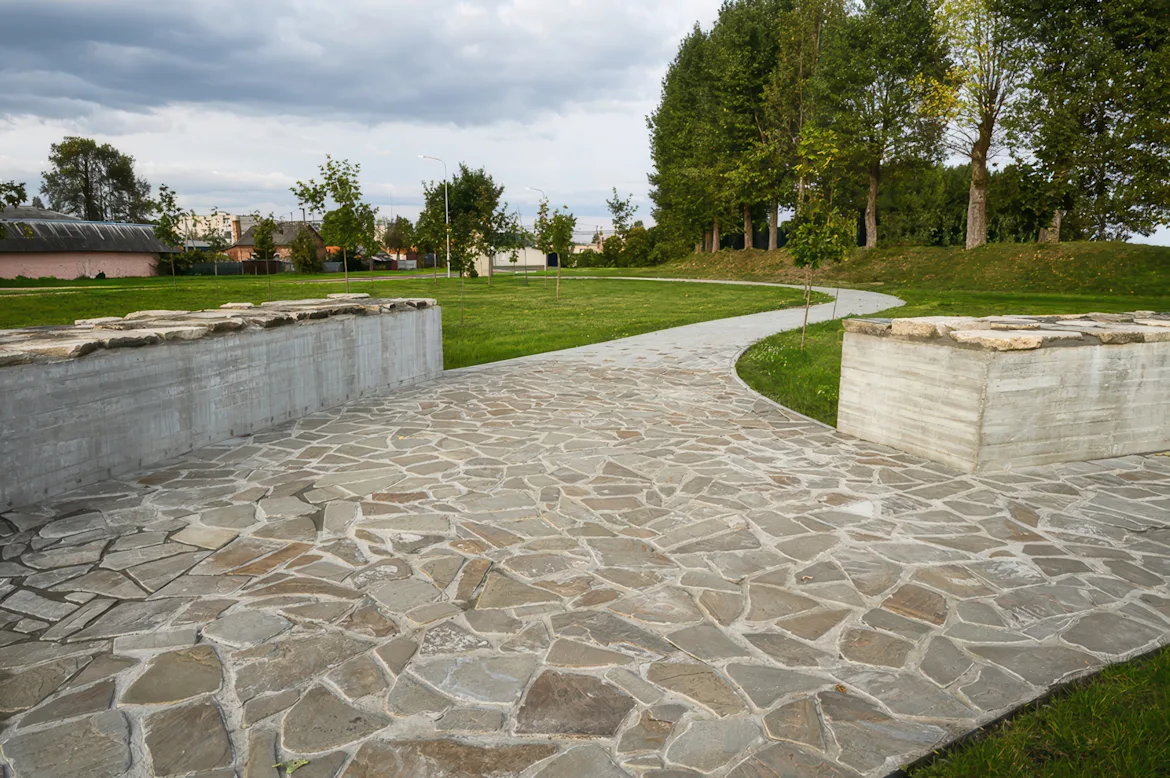
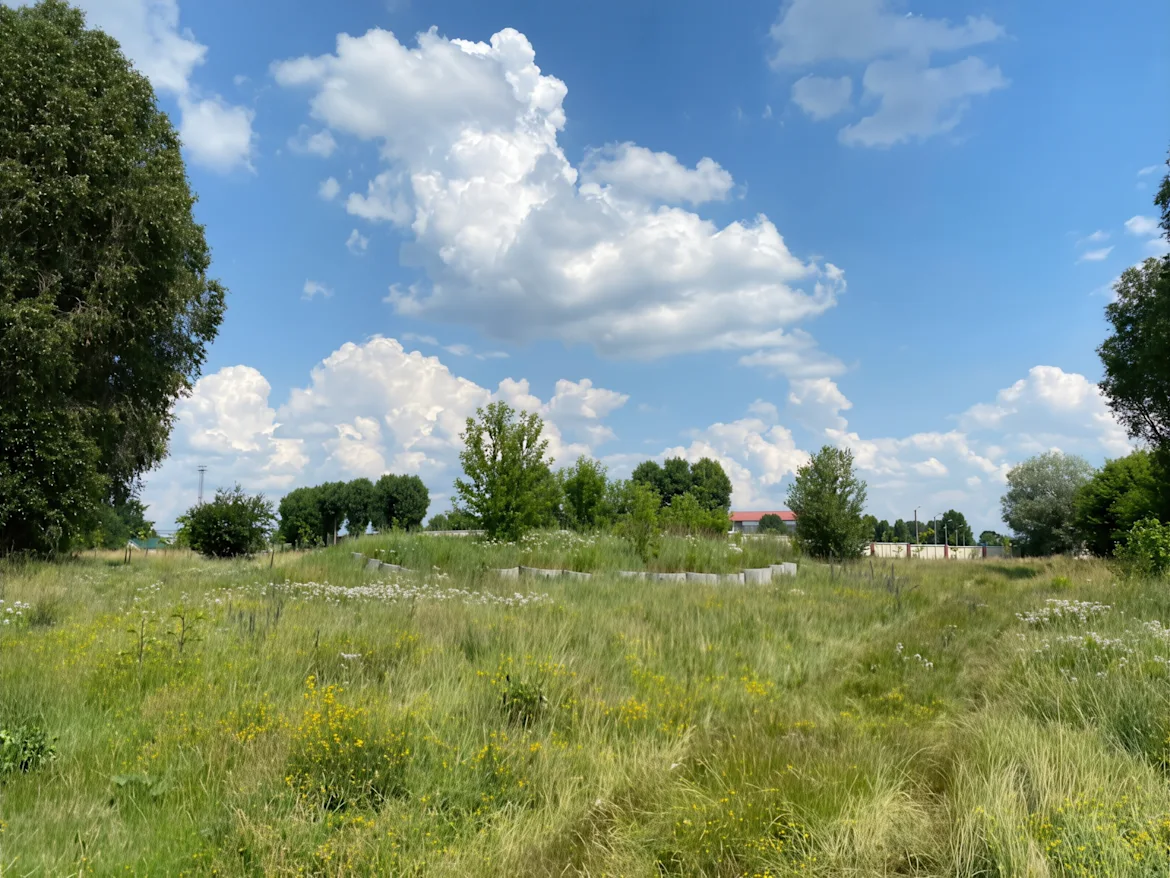
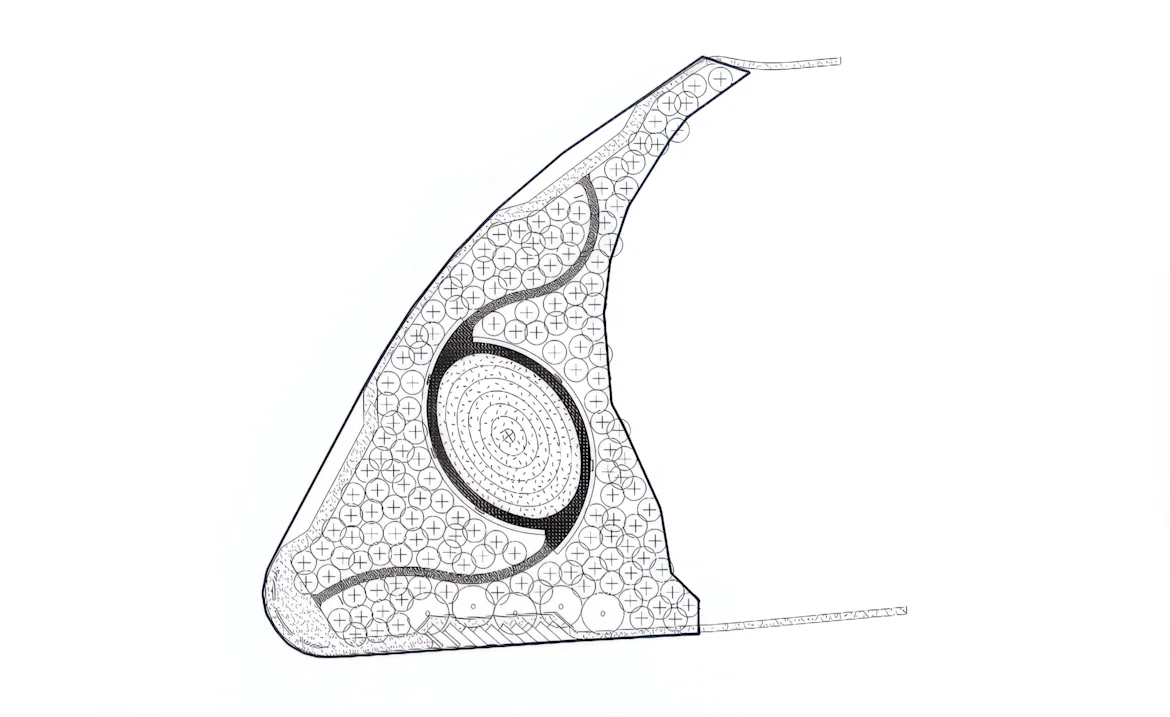
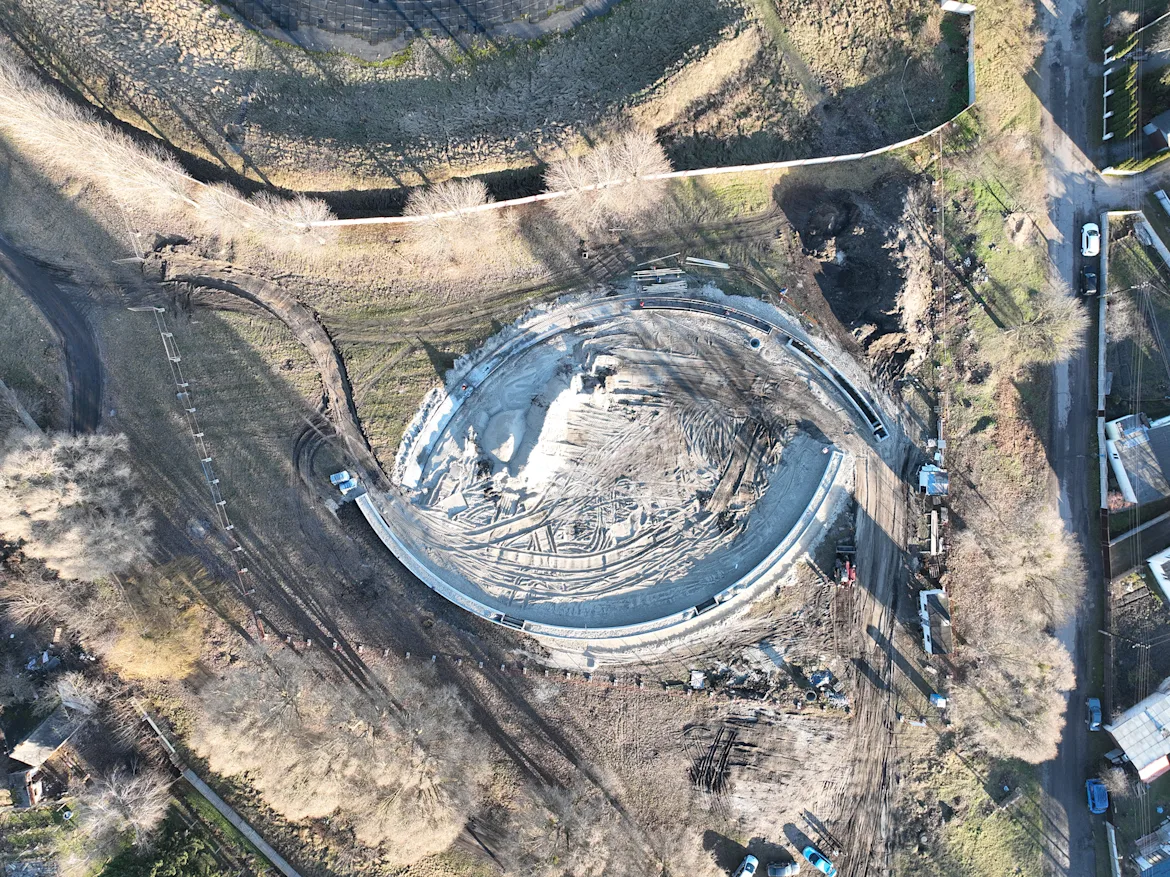
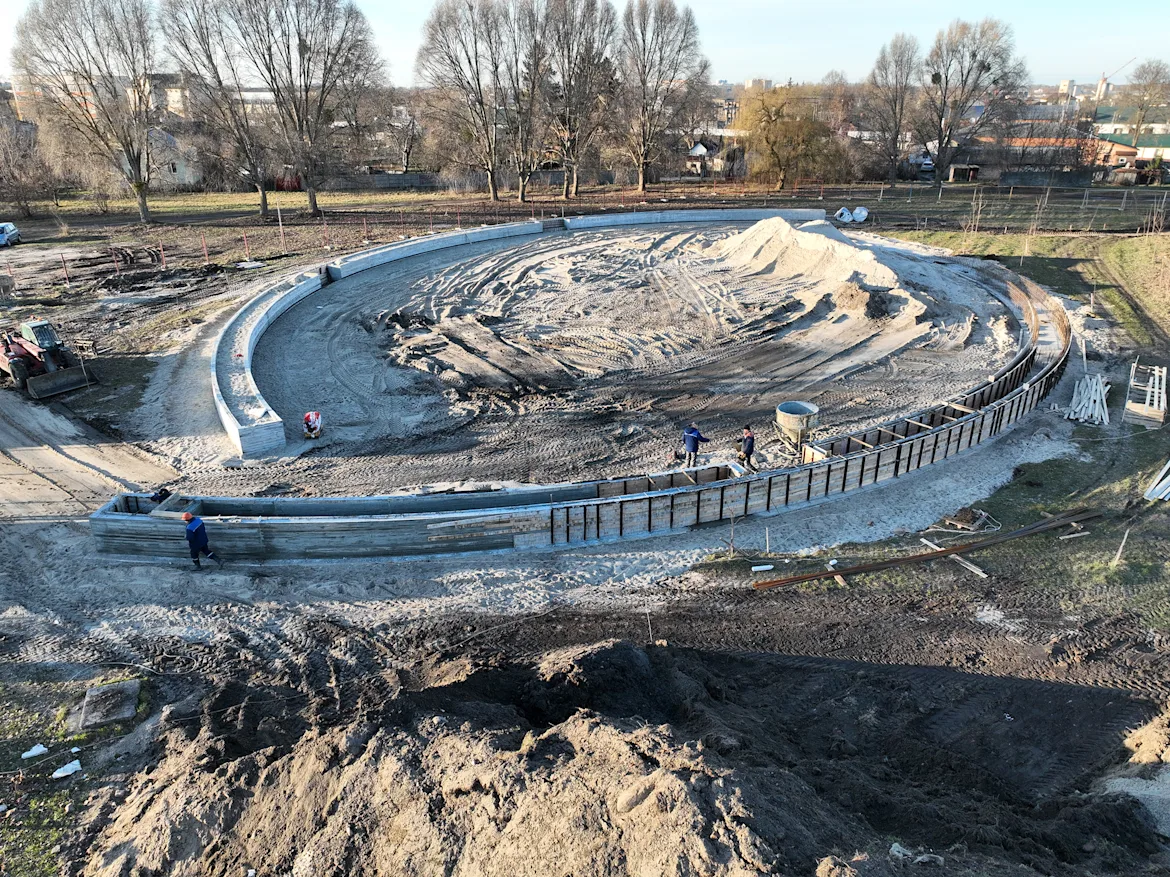
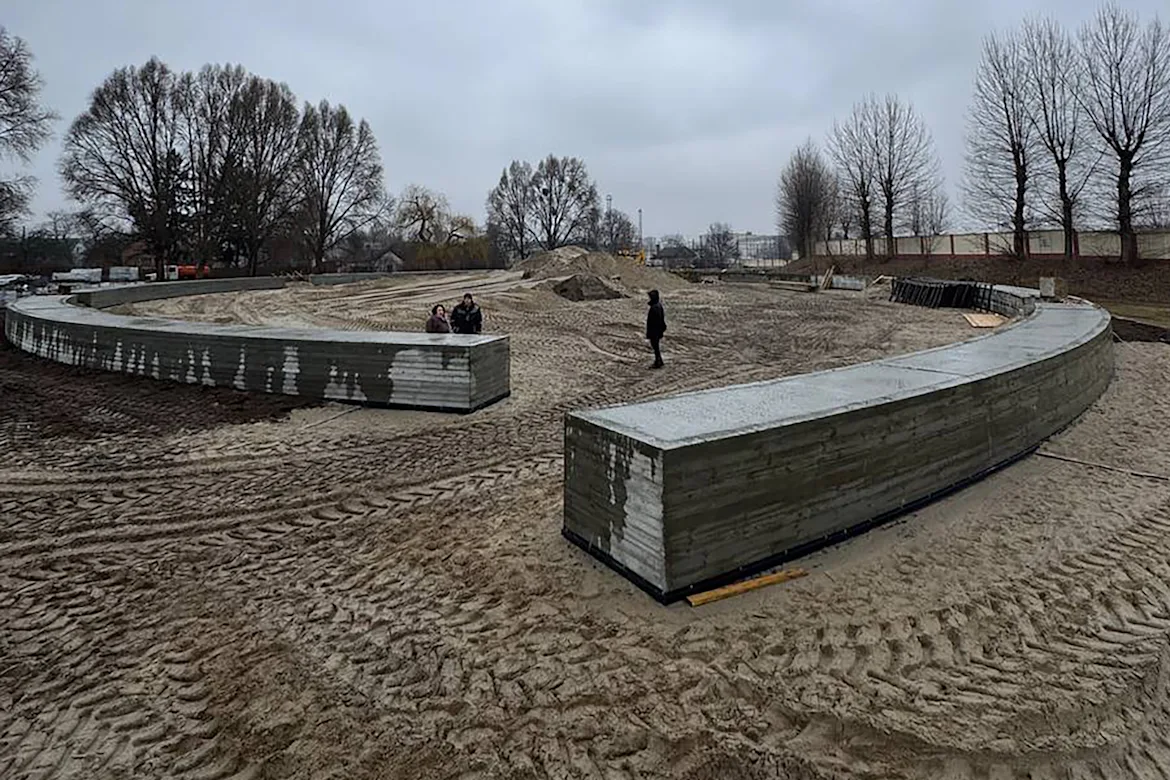
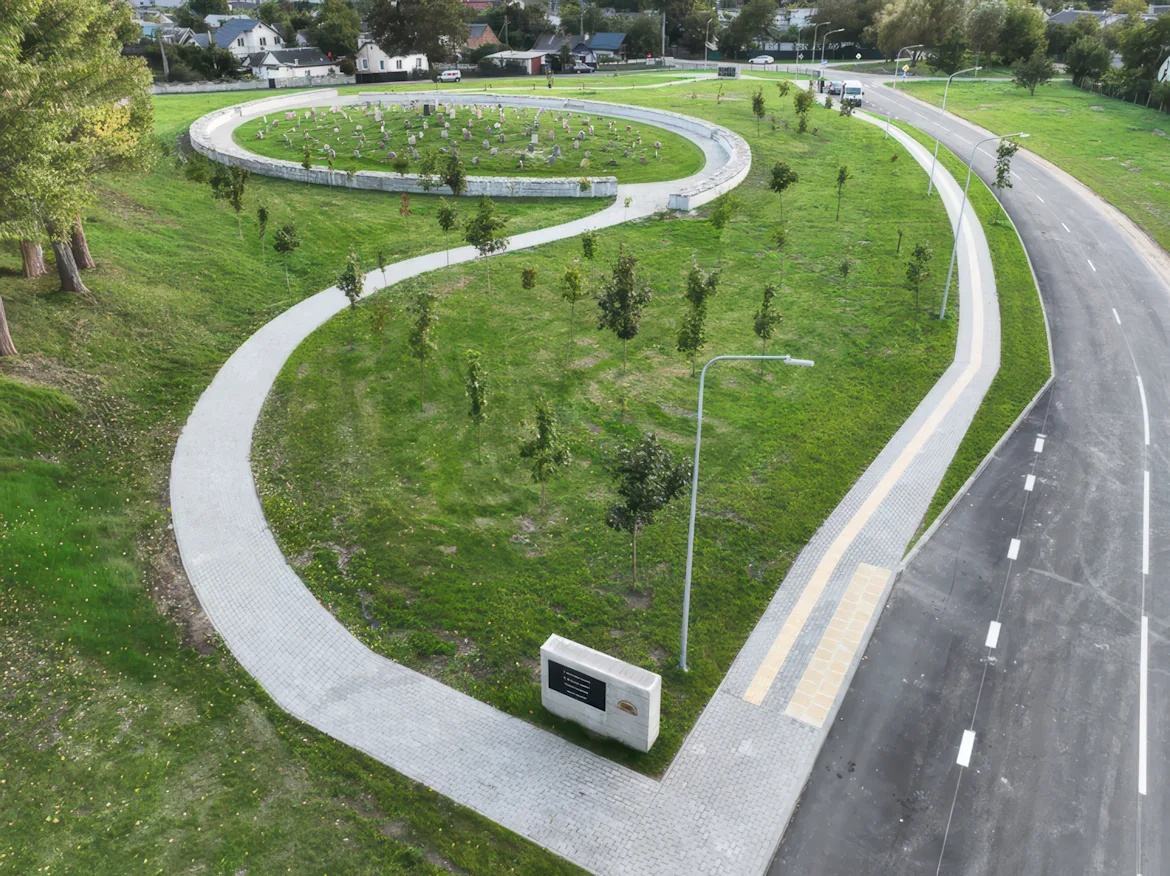
The form of the memorial is a metaphorical and physical “Embrace,” psychologically protecting the remnant headstones into the future. Two 300-foot-long arcing walls display broken gravestone fragments, a testament to Nazi cruelty, while the remaining intact headstones stand solemn and proud upon a large landform within the Embrace. This mound is to be covered with wildflowers growing between the standing headstones.
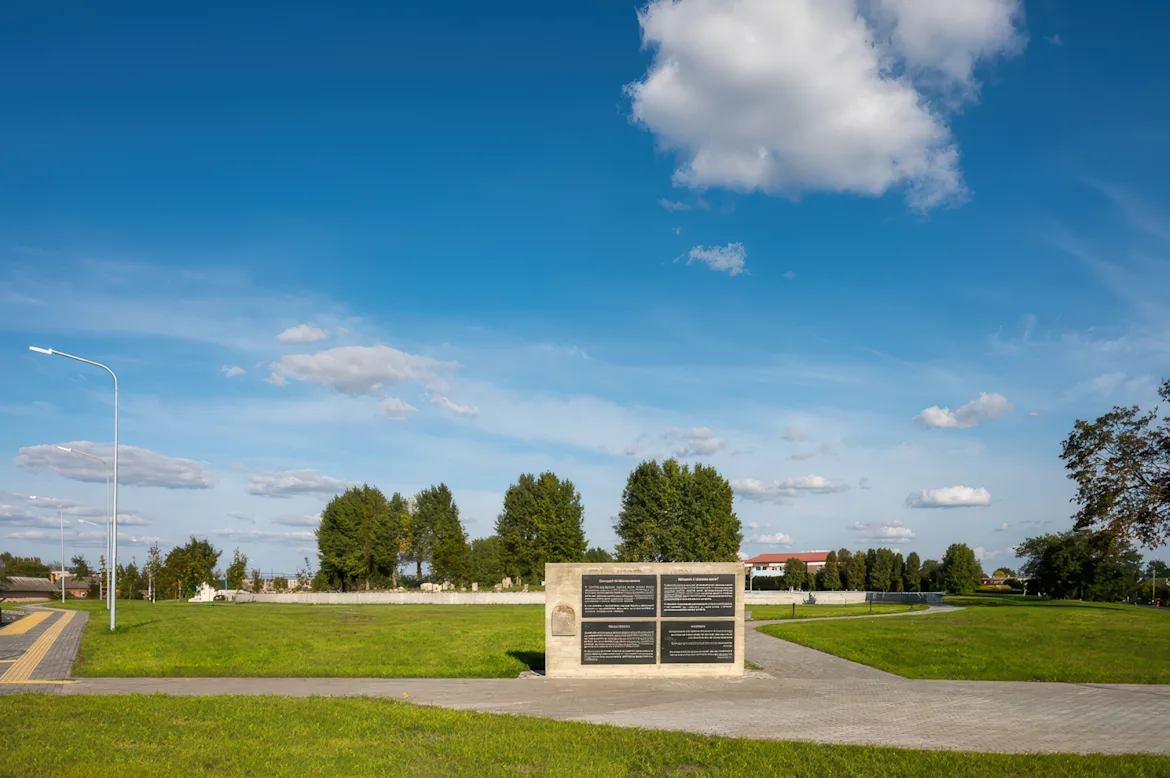
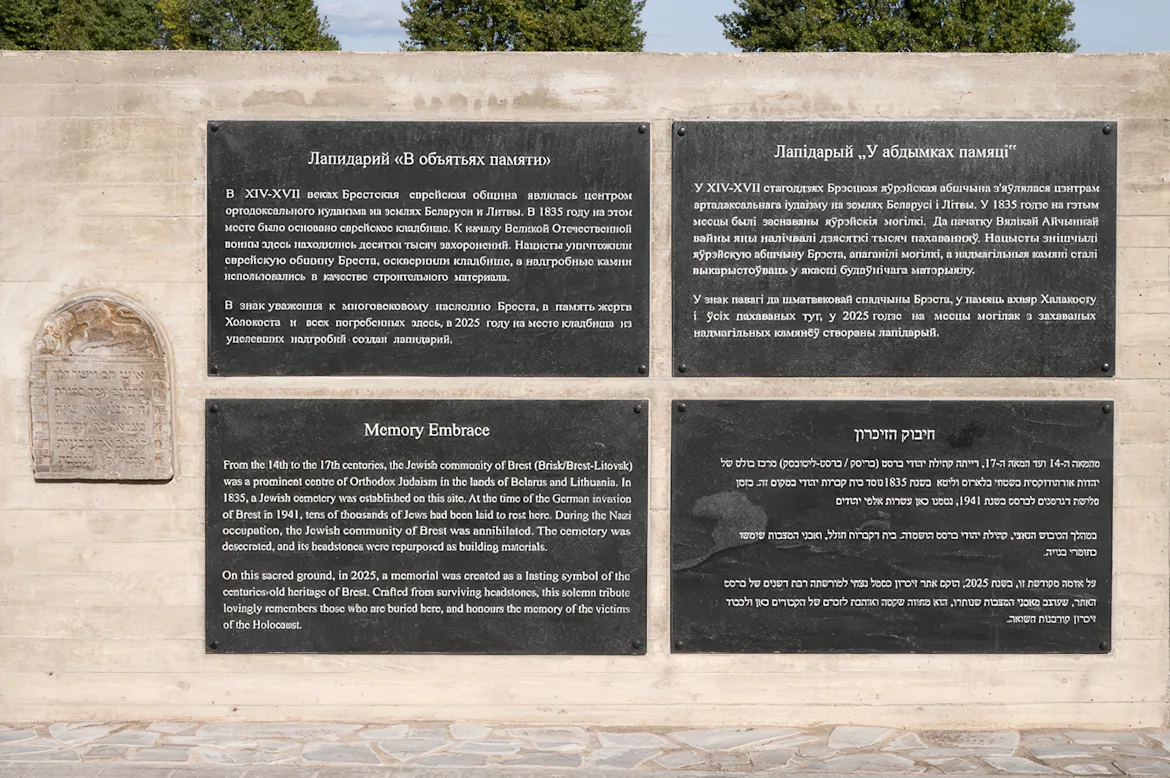
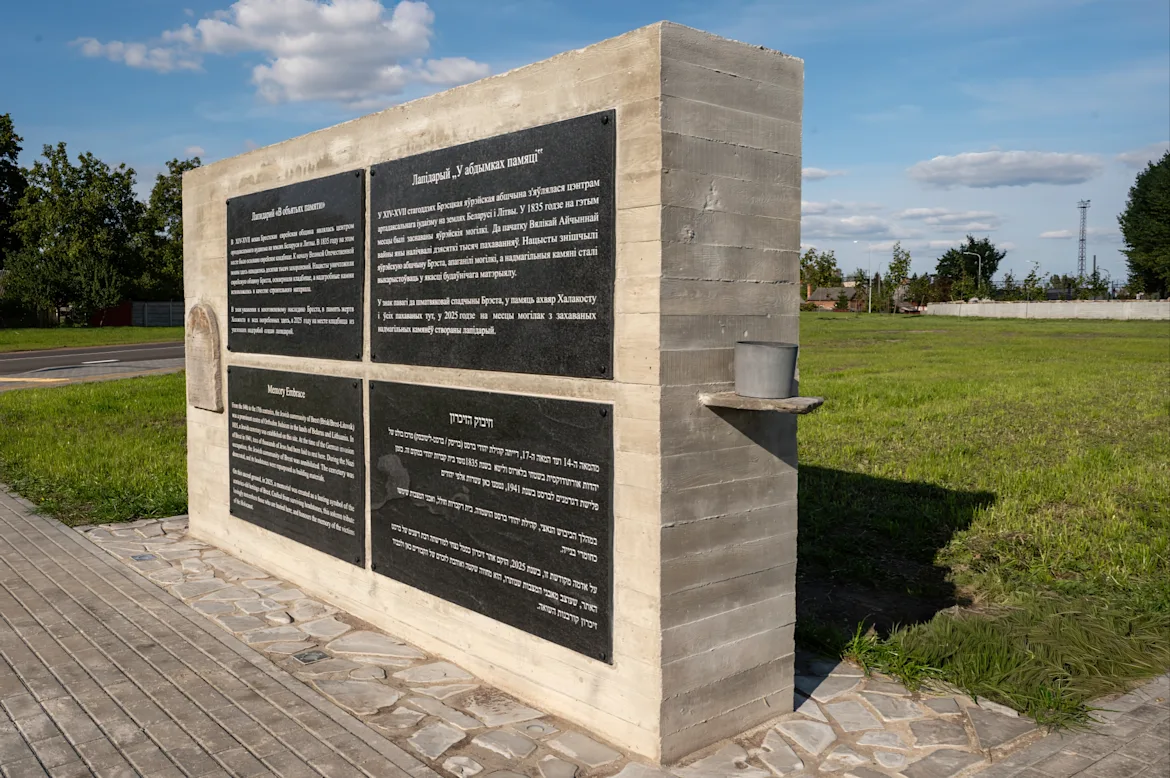
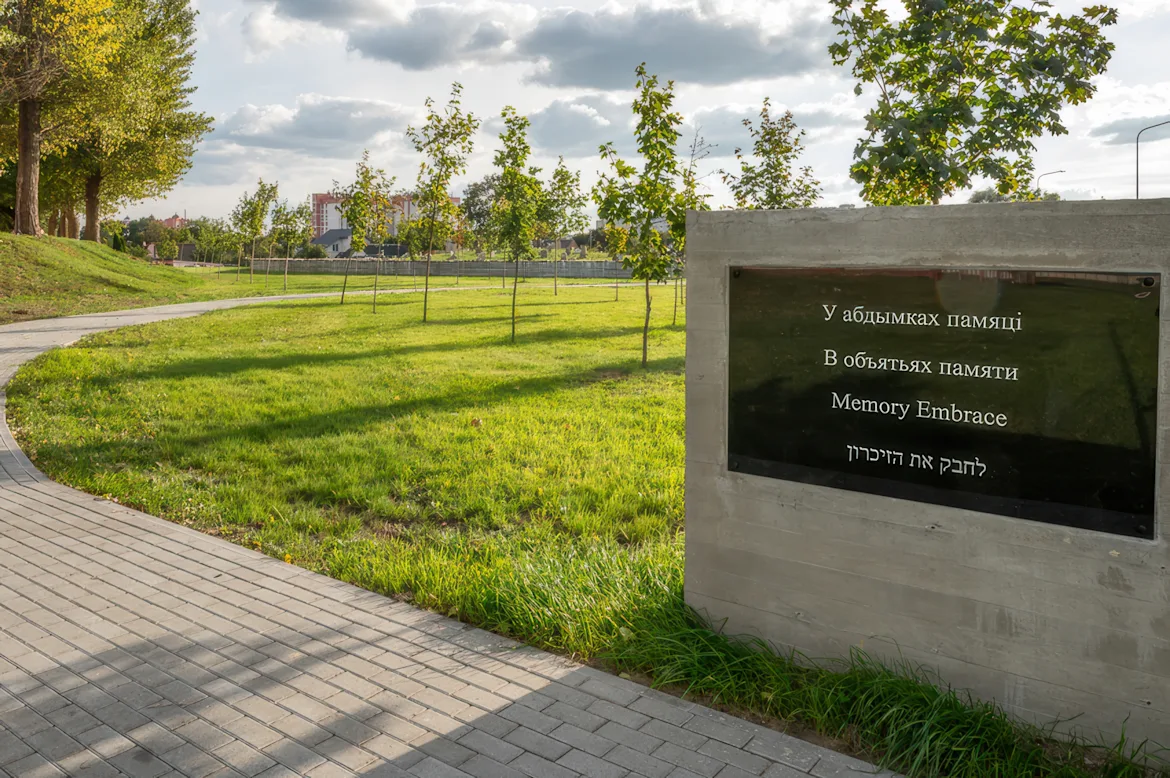
Upon entering the memorial, a simple stela tells the storied history in four languages: Belarusian, Russian, English, and Hebrew. Passing by the stela, a simple, graceful path leads visitors through a planned forest of trees, eventually arriving at the elliptical clearing within the Embrace. The displaced stones have come home to rest after a rough journey, thus making the site whole, sacred, and emotional once again. More than stone and memory, the project is an act of defiance against forgetting—a declaration that the past will no longer be erased.
Inspired by the concept of Tikkun Olam, a Hebrew phrase referring to the “repair of the world,” Memory Embrace stands as an example of healing for this city, Belarus, and Eastern Europe.